
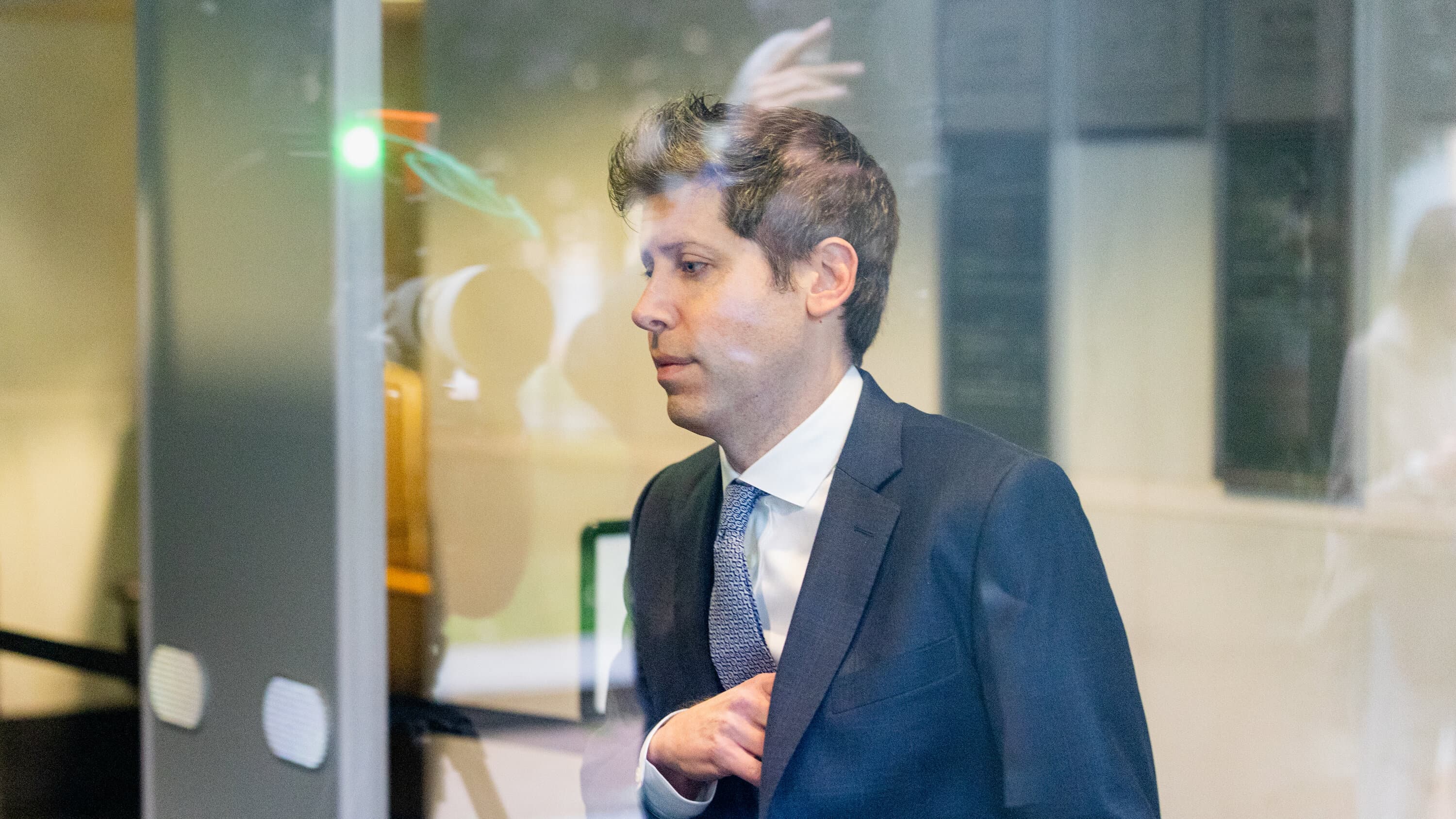

Snapshot
What happened
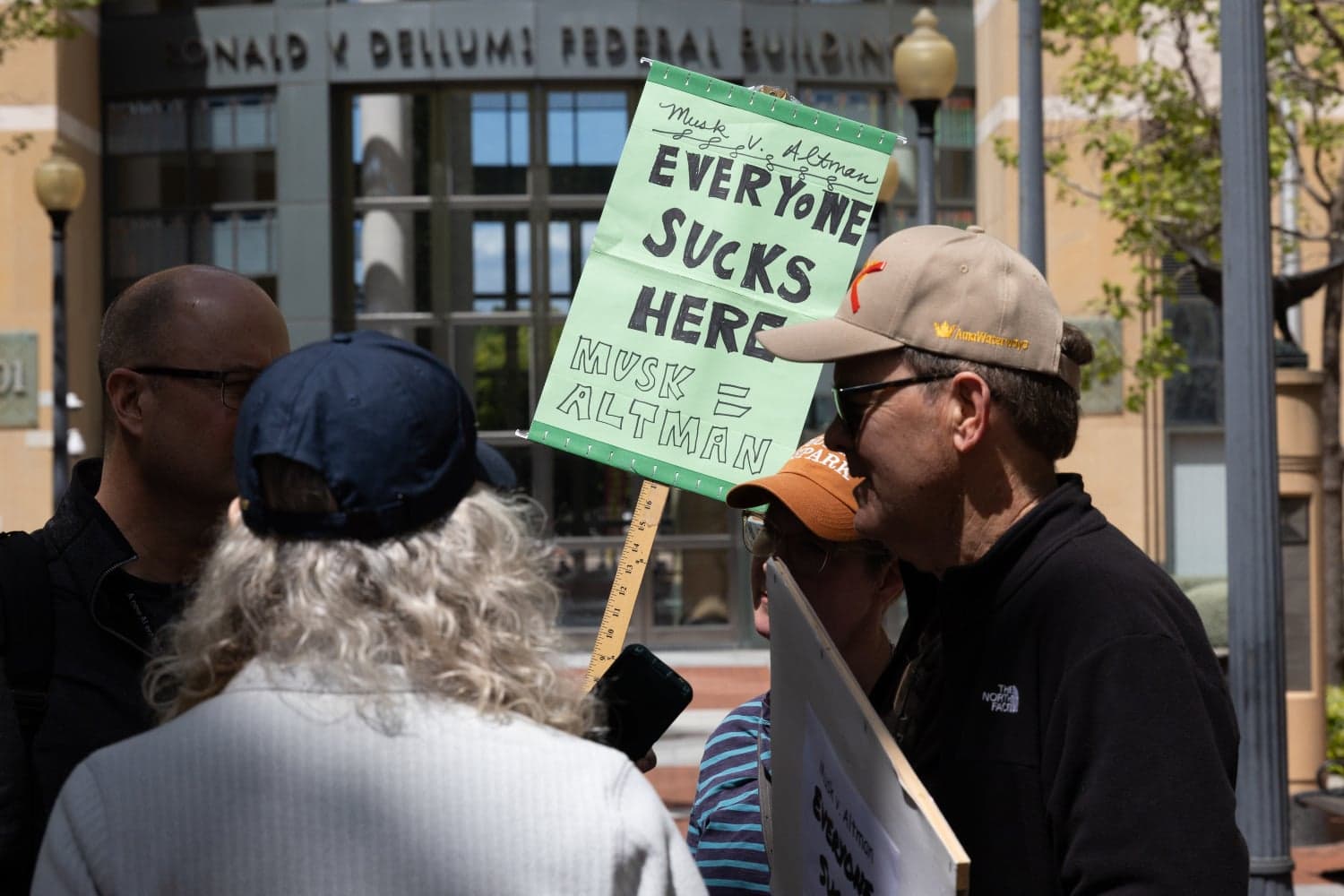
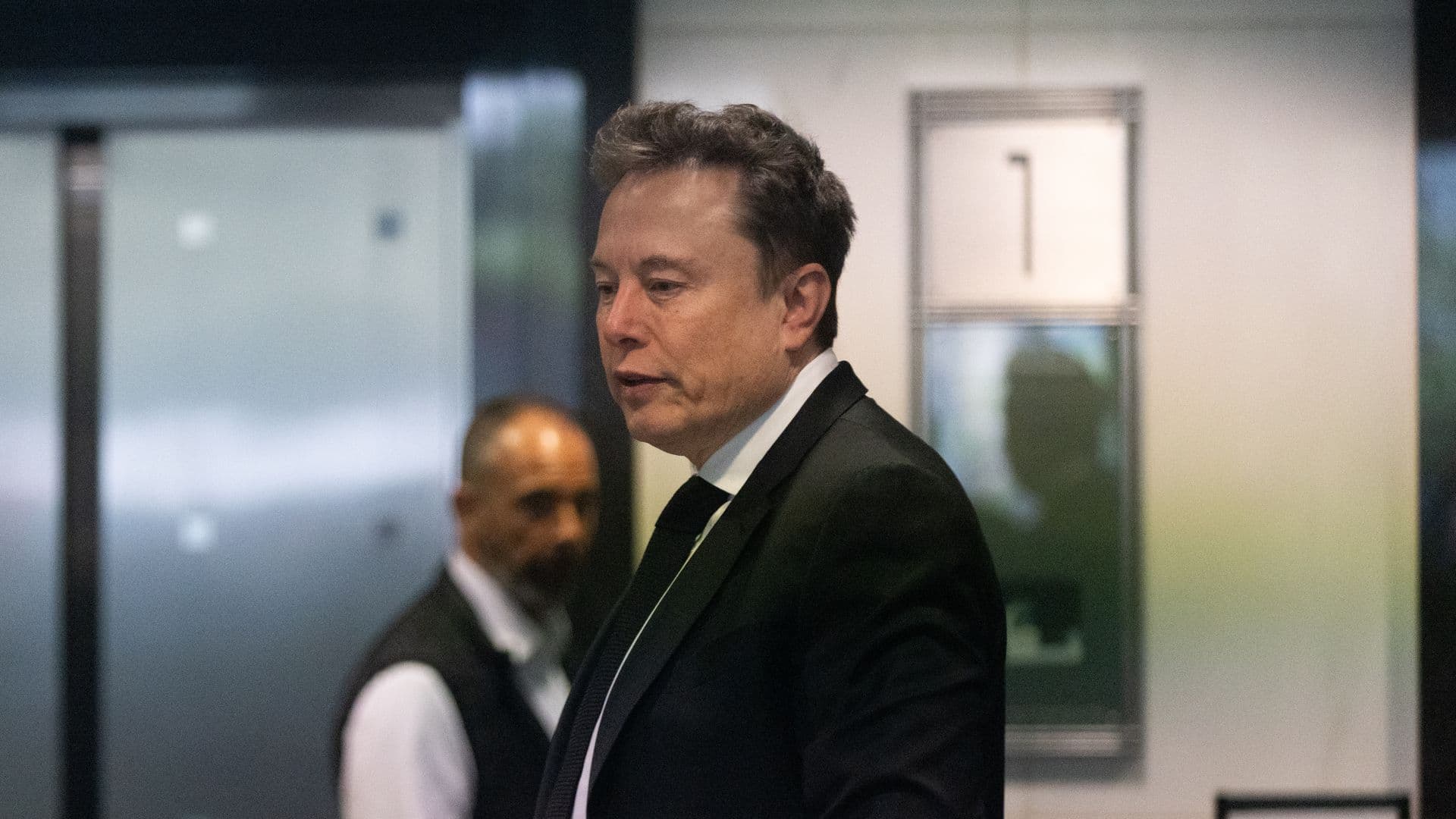
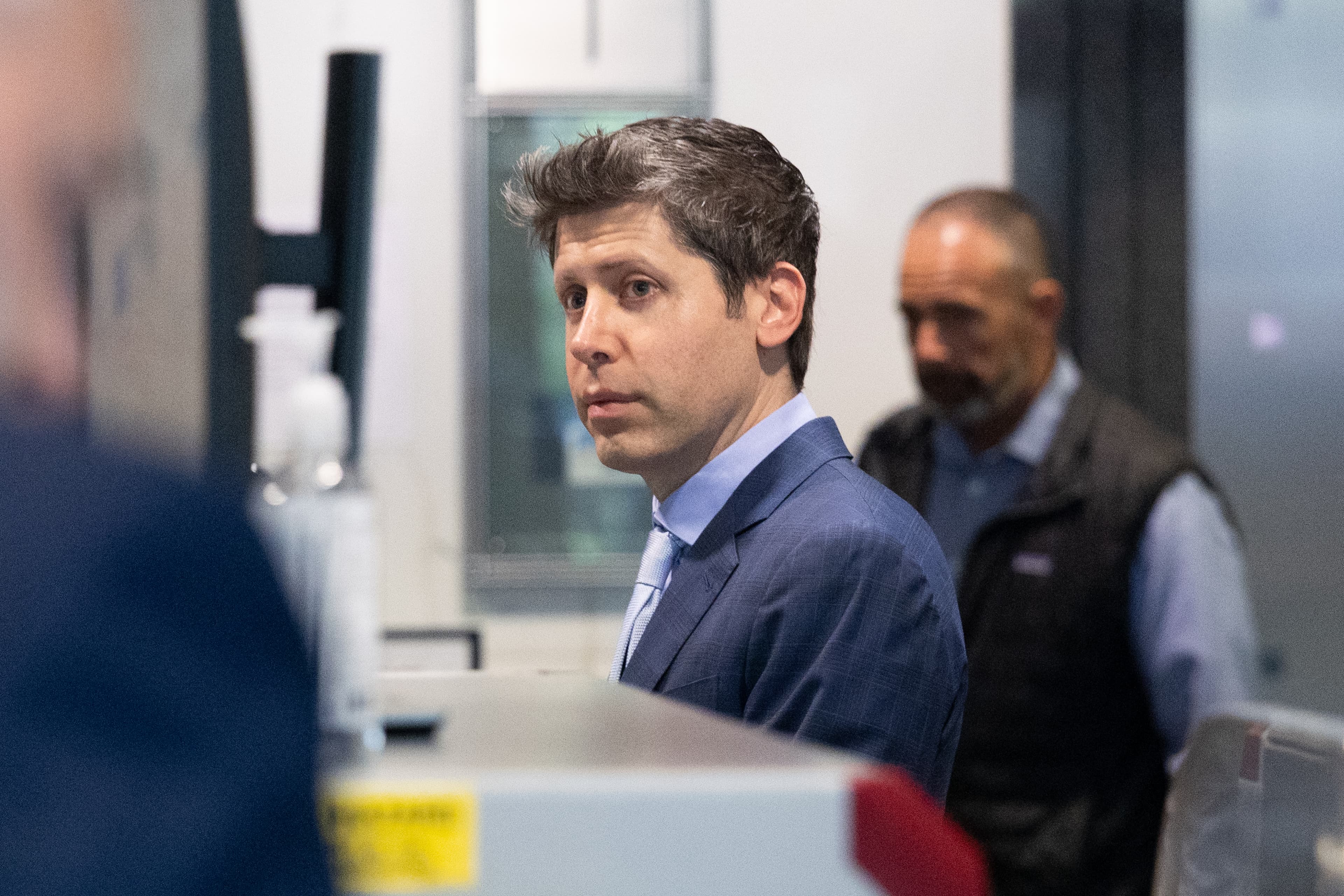
- Closing arguments have concluded in the trial between Elon Musk and OpenAI, where Musk alleges the company abandoned its founding non-profit mission for commercial gain.
- Musk's legal team argued that OpenAI and its leadership, particularly Sam Altman, breached the startup's 2015 founding agreement by prioritizing profit over public good. They challenged Altman's credibility, presenting him as untrustworthy.
- OpenAI's lawyers countered that Musk's lawsuit is groundless, asserting he was aware of the for-profit plans and that the statute of limitations had expired. They also claimed Musk sought control over a for-profit OpenAI.
- Testimony from former OpenAI board members and executives, including Mira Murati, Helen Toner, Natasha McCauley, and Ilya Sutskever, repeatedly questioned Sam Altman's honesty and candor, citing a pattern of misleading behavior and causing internal crises.
Why it matters
Competing interpretations
Elon Musk interprets OpenAI's evolution as a betrayal of its original non-profit, public-good mission, viewing Sam Altman's actions as a deliberate shift towards commercial exploitation. OpenAI, conversely, frames Musk's lawsuit as a cynical attempt by a competitor to undermine their success and gain an advantage in the AI race, asserting that their for-profit structure was a necessary evolution for funding and talent. Broader industry observers see the entire spectacle as a symptom of unchecked power and capital consolidation, regardless of the legal victor.
Where disagreement lives
The core disagreement lives at the intersection of legal interpretation, personal credibility, and fundamental values regarding the purpose and control of artificial intelligence. It's a fault line between the contractual obligations of a founding agreement versus the evolving commercial realities of a rapidly advancing technology, compounded by deep personal animosity and competing visions for AI's future.
What's still uncertain
We do not yet know the jury's verdict in the Musk vs. OpenAI trial, nor the full extent of the long-term reputational damage to key figures like Sam Altman and Elon Musk. The precise impact of the trial's outcome on OpenAI's potential IPO and its competitive position in the AI race remains uncertain. Furthermore, the degree to which this legal dispute will genuinely alter the broader trajectory of AI development and governance, beyond the immediate corporate structures, is still an…
Who Is Affected
OpenAI Employees
Significant uncertainty regarding company direction, potential IPO, and leadership stability, impacting morale and retention.
AI Researchers and Developers (broader community)
Potential shift in the balance between open-source and proprietary AI development, influencing access to models and research collaboration.
Investors in AI Companies
Increased clarity or uncertainty regarding the legal and governance risks associated with investing in rapidly evolving AI startups, impacting valuations and funding rounds.
General Public/AI Users
Indirect impact on the types of AI products developed, their accessibility, and the ethical considerations embedded within them, depending on the commercial vs. public good emphasis.
Human stakes
At its core, this high-stakes legal drama is about trust—trust in leaders, trust in institutions, and trust in the stated purpose of technologies that will profoundly reshape daily life. For ordinary people, the outcome could indirectly influence the accessibility, fairness, and safety of the AI systems they increasingly interact with, from job applications to healthcare. It raises questions about whether the immense power of AI development will be guided by principles of public good or solely by profit, impacting everything from data privacy to the future of work. The credibility of those building our future digital infrastructure is on trial,…
Source spectrum
Issue intelligence
Judgments for navigating this story—not scores. Expand tooltips on each chip for rationale.
Note. Evidence confidence is about factual solidity; uncertainty is about how open-ended outcomes still are. Both can be high at once.
Decision matrix
Compares major options at a glance. Cells are summaries, not forecasts; tradeoffs are simplified for clarity.
| Option | Upside | Risk | Who benefits | Who bears cost |
|---|---|---|---|---|
| Allow current OpenAI structure to continue unimpeded (OpenAI win) | Potentially faster AI development due to commercial funding, continued innovation from a leading player. | Further concentration of AI power, potential erosion of public trust in 'public good' missions, less transparency. | OpenAI leadership, investors, Microsoft, consumers of OpenAI products. | Public interest advocates, smaller AI startups, those concerned about centralized AI control. |
Plausible paths forward
Our assessment
Structural read
This trial, while framed as a personal and legal battle, exposes deeper structural vulnerabilities within the nascent AI industry. The tension between a foundational public-good mission and the immense pressures of commercialization is not unique to OpenAI but reflects a systemic challenge for transformative technologies. The focus on individual credibility, while relevant to the legal case, risks obscuring the institutional design failures and the unchecked consolidation of power and capital that characterize the broader AI landscape. Durable reform requires moving beyond personality contests to establish clear governance, accountability, and a more inclusive vision for AI development.
Source reliability
Source reliability (4)
- The New York Timeswire · international · primary reporting
The New York Times provides primary reporting on a high-profile legal case, quoting legal teams and detailing court proceedings. Readers should note that this article focuses on the legal arguments presented by both sides during closing arguments, rather than offering an independent assessment of the claims' veracity.
- Gizmodounknown · commentary · commentary
Gizmodo provides commentary and analysis on tech news, drawing from trial testimony and other media reports. Readers should note this article focuses on the public perception of 'winners' and 'losers' rather than a detailed legal analysis of the trial.
- the Guardianwire · commentary · commentary
The author is an experienced reporter on the AI industry, drawing on extensive personal experience and some cited sources. Readers should calibrate this as an informed opinion piece, focusing on the author's critical analysis of systemic issues rather than a neutral factual report.
- TechCrunchunknown · international · primary reporting
TechCrunch reports on technology and business news, often with a focus on startups and venture capital. This article provides direct quotes and details from a court proceeding, offering a transparent account of the testimony and legal arguments. Readers should calibrate for the article's focus on the legal and business aspects of the tech industry rather than broader societal or technical implications.
Incentives
Stated goals vs plausible private incentives—evidence strength is an analytic judgment, not proof of bad faith.
| Actor | Stated goal | Likely private incentive | Evidence |
|---|---|---|---|
| Elon Musk | Restore OpenAI to its original non-profit, public-good mission and remove current leadership. | Gain control or influence over a leading AI company, undermine a competitor (OpenAI), enhance his own AI ventures (xAI), and settle personal grievances. | strong |
| Sam Altman / OpenAI Leadership | Defend OpenAI's current hybrid structure as necessary for innovation and talent, and continue its commercial success. | Maintain control and leadership, achieve significant financial success (e.g., IPO), and solidify OpenAI's market dominance. | strong |
| Microsoft | Support OpenAI's current structure and leadership to protect its significant investment and strategic partnership in AI. | Ensure continued access to cutting-edge AI technology, maintain a competitive advantage in the AI market, and realize returns on investment. | moderate |
Institutional stress
Second-order effects
Increased scrutiny and potential regulatory action on the governance structures of other 'public benefit' tech companies, especially those with hybrid non-profit/for-profit models.
Probability: medium · Horizon: medium · Affected: tech startups, venture capitalists, regulators, public interest groups
Acceleration of the 'AI race' as competitors seek to capitalize on any instability or legal precedent set by the trial, potentially leading to less cautious development.
Probability: high · Horizon: short · Affected: AI companies, researchers, investors, consumers of AI products
Temporal signal
How the signal travels in time: noise versus structure, and how long institutions may remember it.
- Significance
- structural shift
- Durability
- years
- Institutional memory
- high
This trial is not just a fleeting event but a potential precedent-setter for corporate governance in critical emerging technologies, with long-lasting implications for the structure and ethics of the AI industry.
Civilizational memory
Echoes and precedents across time—interpretive, not a factual source for this event.
Historical rhymes
- Echoes of early industrial trusts and monopolies, where foundational public promises were eroded by commercial imperatives; also reminiscent of the 'benevolent dictator for life' model in open-source projects eventually clashing with corporate interests.
Institutional precedents
- The legal battle over corporate mission and fiduciary duty in a rapidly evolving, high-stakes industry could set precedents for how non-profit commitments are enforced, or circumvented, in the tech sector.
The struggle over OpenAI's mission reflects a broader societal debate about the control and purpose of artificial intelligence—whether it will be a tool for concentrated power and profit, or a widely accessible resource for collective human flourishing.
Counterfactual intelligence
If Elon Musk had not left OpenAI in 2018, or if the initial non-profit agreement had been more robustly structured to anticipate commercial pressures, the current legal battle might have been avoided, potentially leading to a different trajectory for OpenAI's development and governance.
Policy levers
- Clearer legal definitions for hybrid non-profit/for-profit entities
- Enhanced regulatory oversight for AI foundational models
- Mandatory public interest representation on AI company boards
Fragile assumptions
- Founding ethical commitments will withstand immense commercial pressure
- Self-regulation by tech leaders is sufficient for public good
- The market alone will optimize for societal benefit in AI development
Epistemic governance
Institutional trust, coordination, values in tension, and testable forecasts—models for reasoning, not verdicts of fact.
Institutional integrity
Epistemic diversity
- Legal analysis
- Business/market analysis
- Critical technology studies
- Ethics of AI governance
The Guardian's commentary explicitly provides a dissenting, systemic critique that challenges the dominant legal/personal framing of other outlets.
Reality contact
The trial's outcome could influence the ethical guardrails, accessibility, and cost of AI tools that will increasingly permeate daily life, affecting jobs, privacy, and public services.
The detailed testimonies about internal company dynamics, personal rivalries, and specific financial disclosures provide a granular look into the high-stakes world of AI development.
Risk signals (relative)
- Prestige biasmedium
- Elite consensus lock-inmedium
- Engagement optimizationhigh
- Narrative comfortmedium
- Institutional avoidancelow
Coherence
The analysis attempts to bridge the immediate legal conflict with broader philosophical questions about the purpose of AI and the responsibilities of its creators, aligning with a preference for systems that can learn and self-correct.
Civilizational meaning
The struggle over OpenAI's mission is framed as a critical moment in defining the ethical and governance foundations for a technology with civilizational-scale impact, touching on questions of collective destiny and human agency.
Institutional legitimacy
- Courts (U.S. legal system)
The trial's outcome will test the legal system's ability to interpret and enforce founding agreements in the context of rapidly evolving technology and immense capital, potentially setting a precedent that either strengthens or weakens trust in contractual integrity.
- Corporate Governance Models (especially hybrid non-profit/for-profit)
The revelations about internal conflicts, lack of candor, and the struggle for control within OpenAI's hybrid structure expose significant vulnerabilities and raise questions about the effectiveness of such models in balancing competing objectives.
Coordination
The profound personal animosity, coupled with fundamentally divergent visions for AI's future and a lack of clear institutional guardrails, creates significant barriers to effective coordination. This leads to collective action traps where individual competitive incentives override broader societal benefits, resulting in a deadlock between powerful actors.
Cross-institutional feasibility: low
Barriers
- Deep personal animosity between key actors
- Conflicting visions for AI's future (open vs. proprietary)
- Lack of clear regulatory frameworks for hybrid tech entities
- Asymmetric power dynamics between tech giants and public interest groups
Collective action traps
- The 'AI race' incentivizes speed and commercialization over collaborative, ethical development
- Individual actors prioritizing personal gain/control over collective societal benefit
- Regulatory capture or slow adaptation by governments compared to rapid tech innovation
Incentive deadlocks
- Musk's incentive to disrupt OpenAI vs. OpenAI's incentive to maintain its current structure and pursue profit
- The difficulty of reconciling a non-profit mission with the capital requirements for advanced AI development
Moral tradeoff surface
- Public Good / Open Access ↔ Commercial Innovation / Proprietary ControlTension strength: 90%
The core of the dispute is whether AI development should prioritize broad societal benefit and open sharing of technology, or whether proprietary control and commercial incentives are necessary for rapid innovation and funding.
- Accountability / Transparency ↔ Speed / Efficiency of DevelopmentTension strength: 70%
The trial highlights how a drive for rapid development and market dominance can lead to compromises in candor and transparency, raising questions about accountability to founding principles and stakeholders.
Forecasts and calibration
Resolvable claims recorded at publish time for later outcome tracking.
- Within the next 6 months, a major AI company will announce a significant restructuring of its governance model to address concerns about public good vs. profit, directly influenced by the OpenAI trial's scrutiny.Domain: corporate_governanceKind: institutional changeTier: mediumResolve by: 2025-01-01
- Sam Altman's public trust rating, as measured by independent surveys or media sentiment analysis, will decline by at least 15% in the 3 months following the trial's verdict, regardless of the legal outcome.Domain: public_perceptionKind: otherTier: highResolve by: 3 months after verdict
Related News


Comments
Revisions(1)
OpenAI Trial Live Updates: Closing Arguments Begin in Elon Musk vs. Sam Altman Case
CurrentCognition tier backfill (compression + gated deep/civilizational fields)