
Summa
How Open Angle Post reasons in public—evidence, tradeoffs, institutional realism, and openness to revision.
How to read this page
Summa is long by design. Follow these four steps top to bottom, or jump to any step from the outline on large screens.
- Foundations & directionStarting assumptions, what we optimize for, what we reject, and patterns we watch across domains.
- Domain mapFive theme areas that organize every framework and country-specific topic below.
- Browse with a lensPick a country or institution, search, then expand themes for universal frameworks and local topics.
- Questions & toolsSample open questions, ask Summa for framing, then read how the framework is revised over time.
1 · Foundations & direction
Explicit priors and editorial habits before you open any theme tree.
2 · Domain map
Where every topic lives—five areas, from institutions to the future.
The five domains
- 01Civilization & Culture — Art, education, culture, philosophy, social cohesion, meaning, and human development. Editorial lens: Culture is civilizational infrastructure; public meaning and aesthetics shape legitimacy; human flourishing requires depth and coherence, not only material outcomes.
- 02Society & Governance — Institutions, democracy, public discourse, policy, media systems, law, and trust—how societies coordinate, argue, and govern. Editorial lens: Mixed systems outperform purity; legitimacy and trust precede reform; media and deliberation are systemic, not peripheral.
- 03Technology & AI — AI, digital systems, automation, ethics, and information systems—how technology reshapes cognition, work, institutions, and power. Editorial lens: Technology is not neutral; AI and platforms concentrate capability; oversight needs technical literacy plus democratic legitimacy; synthetic media and algorithms require explicit norms and human override.
- 04World Affairs & Geopolitics — International relations, economics, conflict, and global systems—strategy, energy, security, alliances, and emerging powers. Editorial lens: Order rests on power balance and shared rules; interdependence constrains but does not guarantee peace; competition needs guardrails and communication; institutions need inclusivity and enforcement.
- 05Future & Long-Term Challenges — Climate, existential risks, demographics, AI futures, resilience, and long-horizon governance—civilizational foresight beyond short news cycles. Editorial lens: Global frameworks need local implementation; pricing externalities is necessary but insufficient; resilience is adaptive capacity; justice spans generations and geography.
3 · Browse the framework
Choose a lens, then explore themes, universal frameworks, and country- or institution-specific topics.
Theme tree
Themes group universal frameworks. Expand a branch for pillars and tensions; local topics follow the lens you selected.
Controls the tree below
Your lens
Choose a country — sections marked “lens-specific” in the tree update immediately.
Institution hubs
Open dedicated hub pages. To filter the tree by institution, use country lenses above for now.
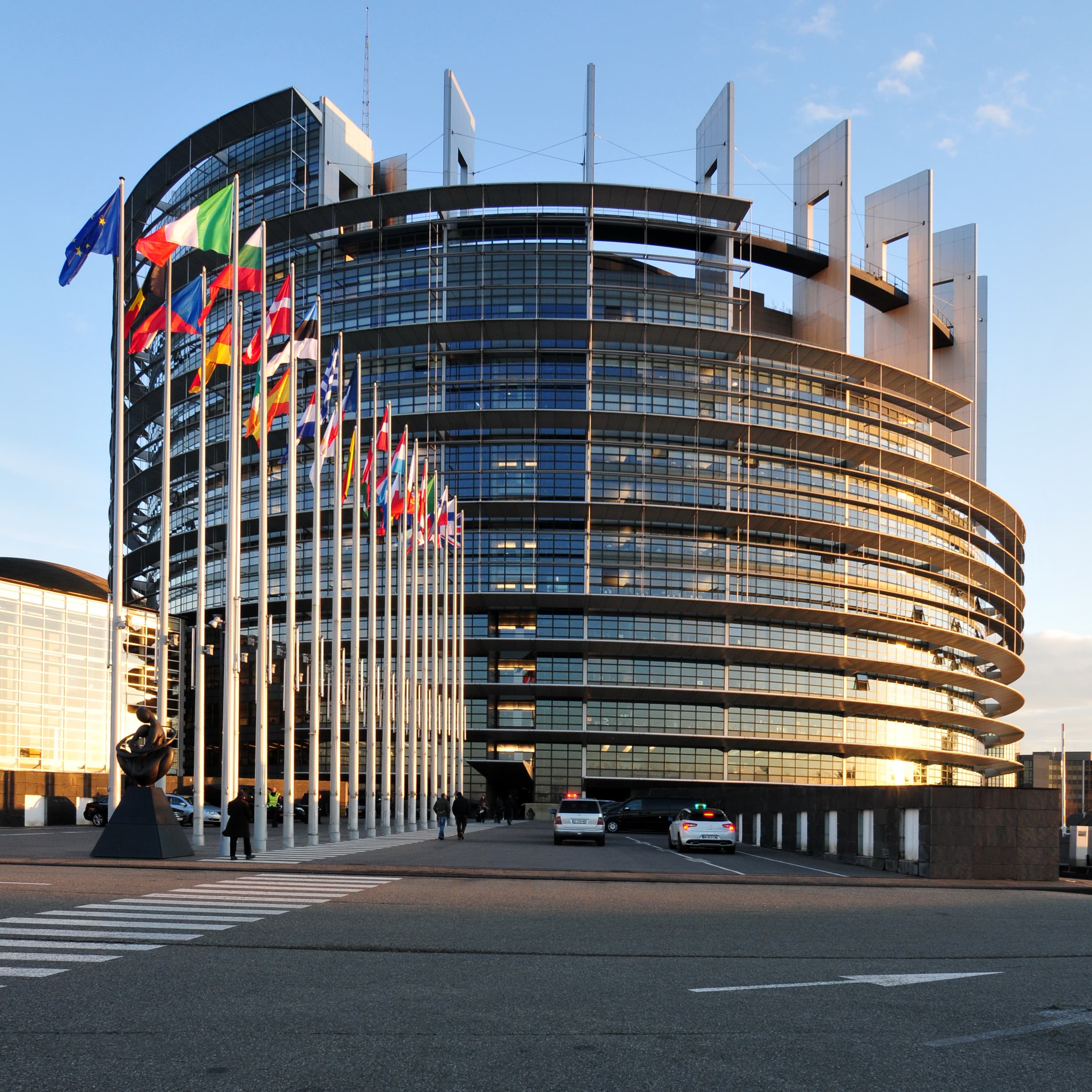
European governance


Security & law

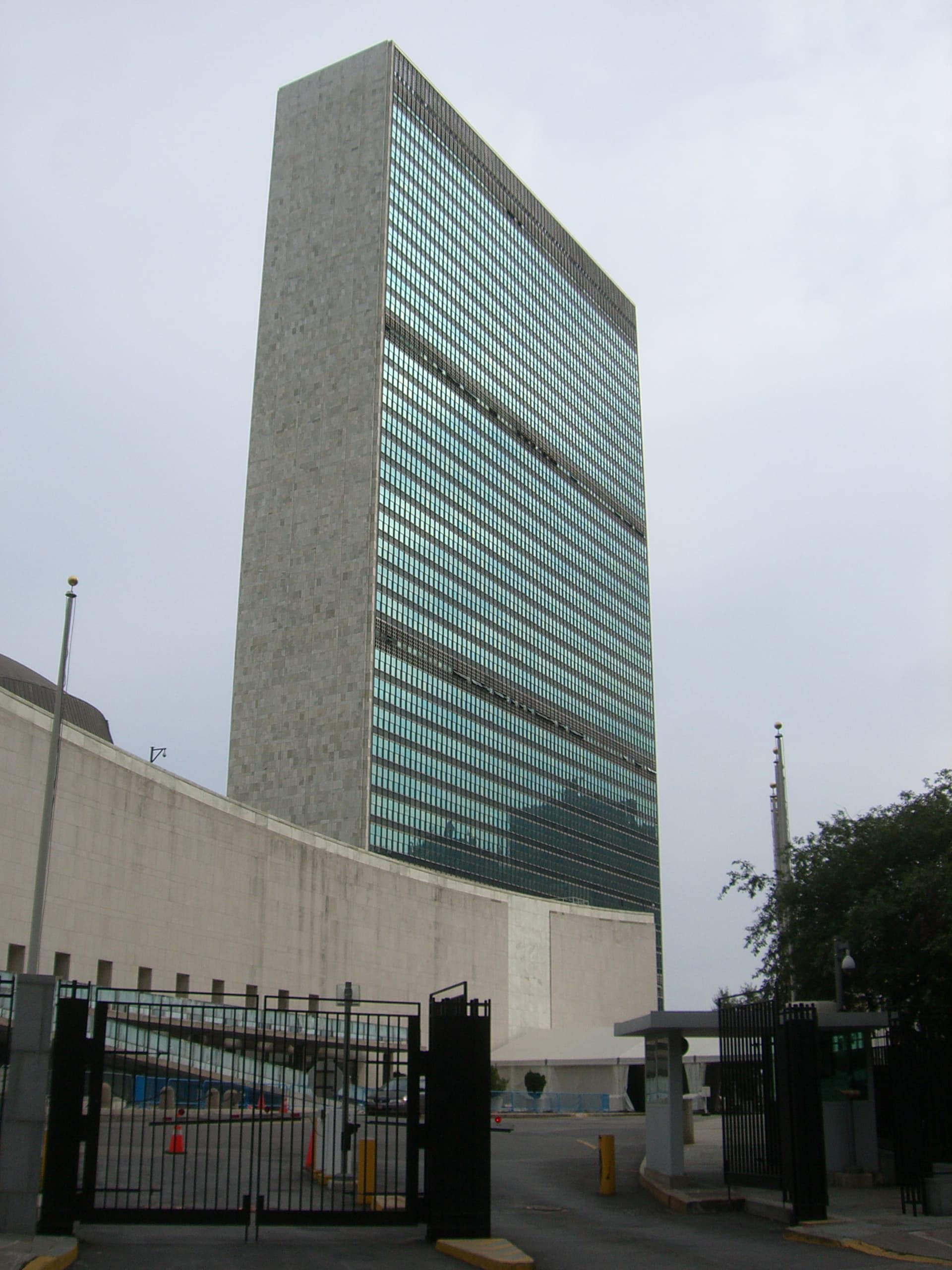
Economic & financial order



Health, migration & humanitarian systems

Energy, climate & resources

Each institution opens its dedicated hub. See also institution hubs on Topics
Categories and universal frameworks are shared. Only the lens-specific blocks change when you switch country.
Search the theme tree
Filters categories below. Other sections still expand when your terms match there.
4 · Questions & tools
Live questions we track, conversational help, and how Summa changes with evidence.
Open questions
A sample of questions we track. Expand topics in the framework above for the full set.
- 01How do we sustain serious culture in attention-scarce environments?
- 02What institutional forms support artists and educators as civic actors?
- 03How can aesthetics strengthen cohesion without suppressing pluralism?
- 04How should philanthropy and policy treat cultural commons?
- 05What curriculum bridges technical competence and ethical judgment?
- 06How should societies fund education fairly across regions?
- 07What role should employers, families, and states each play?
- 08How do we credential skill without narrowing human formation?
Ask Summa
Instant worldview guidance
5 · Living document
How revisions are recorded and when the framework updates.
How Summa evolves
Revision, evidence, and institutional memory
Summa
CurrentTopic views refreshed from 1 article(s) on "Political Polarization & Culture Wars" (us-political-polarization).
Summa
Topic views refreshed from 1 article(s) on "Inequality & Redistribution" (inequality-redistribution).
Summa
Triggered by “Opinion: SpaceX, Anthropic and other mega-IPOs could leave your index fund completely out of luck”
Summa worldview updated based on impactful article analysis.
Source: “Opinion: SpaceX, Anthropic and other mega-IPOs could leave your index fund completely out of luck”
What changed: Added: 1 new foundational commitment(s), 1 new cross-cutting pattern(s), 1 new normative direction(s), 1 new rejection(s), updates to 1 theme category(ies), updates to 1 country content section(s).
Why it mattered: The article's assessment highlights a structural tension between innovation incentives and wealth concentration, challenging the implicit social contract. This is a worldview-level insight, not routine news, and aligns with the high Summa impact score. This update ensures our worldview remains a living document that evolves as we encounter genuinely impactful news and analysis.
Summa merge detail (6 items)
Foundational commitments (added)
- Acknowledge the inherent structural tension in complex societies between incentivizing innovation and addressing wealth concentration, and the ongoing renegotiation of the social contract around wealth creation and distribution.
Cross-cutting patterns (added)
- The pattern where significant government contracts, subsidies, or regulatory environments contribute to the accumulation of extreme private wealth, leading to intensified public debate over wealth inequality, the legitimacy of such wealth, and the role of the state.
Normative directions (added)
- Advocate for rigorous scrutiny of the systemic drivers of extreme wealth concentration, particularly where public resources or state-granted advantages play a significant role, to ensure outcomes align with broad societal well-being and a sustainable social contract.
Rejections (added)
- Reject the simplistic framing of extreme private wealth, especially when significantly enabled by public resources or state intervention, as solely a product of individual merit or pure market forces, without acknowledging its systemic implications for equity and the social contract.
Theme category updates
- economy_markets: 1 new conflicts — Innovation Incentives vs. Wealth Concentration
Country content updates
- US: 1 conflicts — US Government's Role in Tech Wealth & Inequality