

Snapshot
What happened
- A hantavirus outbreak occurred aboard the MV Hondius cruise ship, leading to the evacuation of over 100 passengers, including 18 Americans placed in biocontainment units.
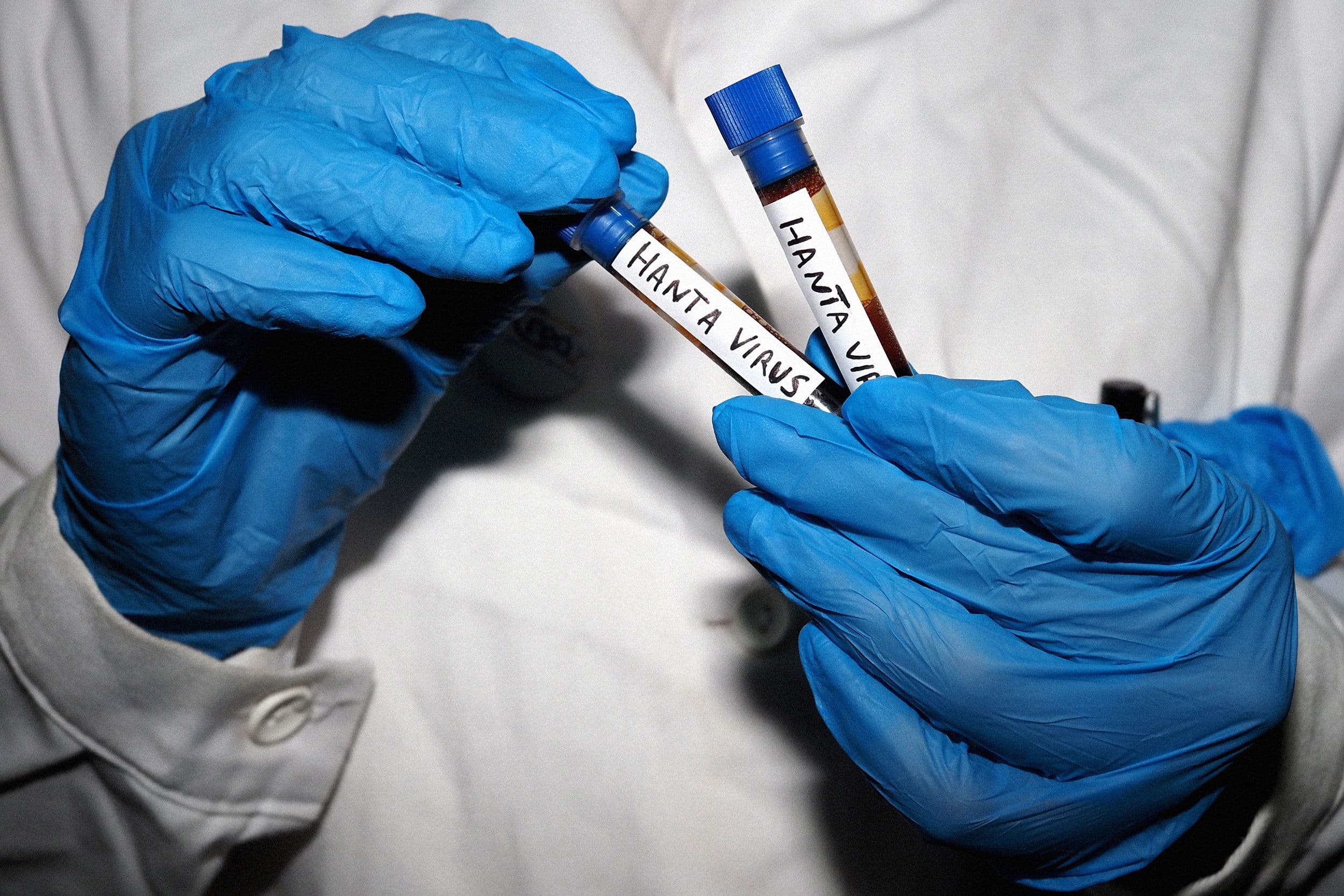
- The World Health Organization (WHO) has reported 11 global cases linked to the cruise, including three deaths, with eight of these cases confirmed by lab testing.
- The specific strain identified on the ship is the Andes virus, which is notable as the only hantavirus strain known to transmit from person to person.
- Health officials and infectious disease experts have consistently emphasized that, despite the virus's severity, the risk of widespread public transmission is low, and it is highly unlikely to become a global pandemic like COVID-19.
Why it matters
Competing interpretations
Public health experts interpret the hantavirus outbreak as a contained, albeit serious, event with low pandemic potential, emphasizing the scientific differences from COVID-19. Conversely, a fearful public and some media outlets interpret the same facts through the recent trauma of COVID-19, viewing any new outbreak as a potential repeat, leading to heightened anxiety and skepticism towards official reassurances. This creates a tension where expert calm is perceived by some as downplaying a threat, while public fear is seen by experts as an overreaction.
Where disagreement lives
The primary fault line lies not in the scientific facts of the hantavirus itself, but in the interpretation of its threat and the causal factors driving public fear. Experts and public health institutions emphasize the low pandemic risk based on scientific data, while a segment of the public and some media outlets frame the event through the lens of post-COVID trauma and distrust, leading to alarm and questioning of official reassurances. This highlights a strategic disagreement on how to communicate risk effectively in a low-trust environment.
What's still uncertain
The precise origin of the cruise ship's outbreak is still under investigation, though a passenger likely acquired it prior to boarding. While evidence suggests hantavirus transmits only when people are actively symptomatic, the possibility of some asymptomatic spread that researchers haven't yet detected remains an open question. The long-term psychological and societal impacts of post-COVID trust erosion on future public health responses are also not fully quantified.
Who Is Affected
General Public
Heightened anxiety and potential distrust in official health information, driven by post-COVID trauma and media framing.
Public Health Institutions (WHO, CDC, etc.)
Increased pressure to communicate clearly and rebuild trust, while facing skepticism and potential resource constraints.
Media Outlets
Continued tension between informing the public and the commercial pressures of engagement-driven headlines, potentially perpetuating cycles of alarm.
Cruise Ship Industry
Reputational damage and potential for increased regulatory scrutiny regarding health protocols, especially in the wake of COVID-19.
Human stakes
The hantavirus story, though not a widespread threat, touches deeply on ordinary people's sense of safety and their ability to trust the information meant to protect them. For many, the echoes of COVID-19 bring back memories of lost loved ones, economic disruption, and a pervasive sense of uncertainty, making them acutely vulnerable to new fears. The struggle to discern reliable information from alarmist headlines directly impacts their peace of mind and their confidence in the systems designed to safeguard public health, affecting daily choices and long-term planning.
Source spectrum
Issue intelligence
Judgments for navigating this story—not scores. Expand tooltips on each chip for rationale.
Note. Evidence confidence is about factual solidity; uncertainty is about how open-ended outcomes still are. Both can be high at once.
Decision matrix
Compares major options at a glance. Cells are summaries, not forecasts; tradeoffs are simplified for clarity.
| Option | Upside | Risk | Who benefits | Who bears cost |
|---|---|---|---|---|
| Prioritize immediate, direct reassurance from health officials, downplaying public fears. | May calm some anxieties in the short term, align with scientific consensus. | Could further erode trust if perceived as dismissive or untruthful, especially by those still traumatized by COVID-19. | Public health officials seeking to maintain order, those who trust institutions. | Anxious public, media outlets seeking engagement, long-term institutional trust. |
| Engage in transparent, nuanced communication that acknowledges public anxieties while clearly explaining scientific facts and uncertainties. | Builds long-term trust, fosters public understanding, aligns with OAP's preference for transparency and accountability. | More complex to execute, may not immediately satisfy those seeking definitive answers or simple narratives. | Informed public, resilient institutions, long-term societal coherence. | Communicators needing to craft careful messages, those preferring simple narratives. |
| Allow media to drive the narrative with alarmist framing, focusing on the 'what if' scenarios. | High engagement for media, caters to existing public anxieties. | Exacerbates public fear, further damages trust in all information sources, hinders effective public health responses. | Media outlets prioritizing clicks/views. | General public (anxiety), public health institutions (credibility), societal resilience. |
Plausible paths forward
Our assessment
Structural read
This hantavirus story, while factually contained, serves as a potent diagnostic for the structural damage inflicted by the COVID-19 pandemic on societal trust and institutional legitimacy. The public's disproportionate fear, despite expert reassurances, reveals a deep-seated cynicism towards official narratives and scientific consensus. This situation underscores the critical need for hybrid solutions in public communication that acknowledge trauma while grounding information in evidence, rather than oscillating between alarm and dismissive calm. The challenge is not merely to manage an outbreak, but to mend the foundational bonds of trust that enable a complex society to respond coherently to any future crisis.
Source reliability
Source reliability (4)
- AP Newswire · international · primary reporting
AP News is a major international wire service known for its factual reporting and broad syndication. Readers should note its role in providing foundational news to many outlets and its focus on widely verifiable information, which helps set the global news agenda.
- WIREDunknown · commentary · primary reporting
WIRED is a reputable science and technology publication. This article features an interview with an infectious disease expert, providing direct quotes and explanations. Sourcing is transparent, naming the expert and the WHO director-general. Readers should calibrate that the information reflects current expert understanding and focuses on the scientific and medical aspects of the outbreak.
- WGALlocal news · international · syndicated
WGAL is a local news affiliate. This article is syndicated from PolitiFact and relies on extensive quotes from infectious disease experts and references to public health organizations like the WHO and CDC. Readers should understand this content represents expert consensus on public health.
- Voxexpert · commentary · commentary
This article is an analytical piece from a senior editorial director at Vox, critiquing media framing of a public health issue. It cites public health officials and other experts. Readers should calibrate that this is an opinion/analysis piece, not direct reporting on the outbreak, and focuses on the meta-narrative of media response.
Incentives
Stated goals vs plausible private incentives—evidence strength is an analytic judgment, not proof of bad faith.
| Actor | Stated goal | Likely private incentive | Evidence |
|---|---|---|---|
| Public Health Officials | Contain the outbreak, prevent panic, provide accurate information. | Maintain institutional credibility, avoid blame for perceived failures, secure future funding. | strong |
| Media Outlets | Inform the public, provide context. | Maximize engagement (clicks, views), be first to break news, cater to audience anxieties. | strong |
| General Public | Stay safe, understand the threat. | Reduce personal anxiety, find simple answers, confirm existing biases (e.g., distrust of authority). | moderate |
Institutional stress
Second-order effects
Further erosion of public trust in scientific and governmental institutions due to perceived mixed messages or inadequate addressing of public fears.
Probability: medium · Horizon: medium · Affected: general public, public health officials, policymakers
Increased scrutiny and potential overreaction to future localized disease outbreaks, regardless of their actual threat level.
Probability: high · Horizon: short · Affected: travel industry, local communities, media consumers
Temporal signal
How the signal travels in time: noise versus structure, and how long institutions may remember it.
- Significance
- structural shift
- Durability
- years
- Institutional memory
- high
The hantavirus outbreak itself is a short-term event, but the public's reaction and the underlying erosion of trust represent a structural shift in how societies process and respond to health crises, with long-term implications for institutional legitimacy and public reasoning.
Civilizational memory
Echoes and precedents across time—interpretive, not a factual source for this event.
Historical rhymes
- The panic surrounding a novel disease, even when scientifically contained, echoes historical patterns of fear-driven reactions to epidemics, often amplified by incomplete information or distrust in authority.
Institutional precedents
- The challenges faced by public health institutions in communicating nuanced risks and managing public expectations post-COVID-19 draw parallels to past struggles with public trust during outbreaks like SARS or Ebola, but with a significantly higher baseline of cynicism.
The ability of complex societies to respond coherently to shared threats hinges on a foundational level of trust in institutions and a shared epistemic ground. The current hantavirus reaction reveals a fragility in this social contract, posing a long-term challenge to collective problem-solving and societal resilience.
Counterfactual intelligence
If the COVID-19 pandemic had not occurred or had been managed with greater transparency and less perceived institutional failure, the public's reaction to the hantavirus outbreak would likely have been far less fearful and more aligned with expert reassurances, treating it as a localized health concern rather than a potential global crisis.
Policy levers
- Invest in public health communication training focused on trauma-informed approaches
- Implement media literacy programs for critical evaluation of health news
- Strengthen independent fact-checking mechanisms for public health information
Fragile assumptions
- That the public will automatically trust expert consensus
- That fear can be easily dispelled by factual information alone
- That media incentives align perfectly with public health communication goals
Epistemic governance
Institutional trust, coordination, values in tension, and testable forecasts—models for reasoning, not verdicts of fact.
Institutional integrity
Epistemic diversity
- epidemiology
- sociology of trust
- media studies
- public health communication
The articles effectively present the expert consensus alongside the public's fearful reaction, implicitly highlighting the divergence without dismissing either perspective outright.
Reality contact
The primary cost for ordinary people is heightened anxiety and a diminished capacity to trust official information, impacting their mental well-being and sense of security.
The concern of Tenerife residents about the disembarking passengers, despite official reassurances, provides a grounded example of local fear and distrust.
Risk signals (relative)
- Prestige biaslow
- Elite consensus lock-inlow
- Engagement optimizationhigh
- Narrative comfortmedium
- Institutional avoidancelow
Coherence
The analysis aligns with OAP's commitment to understanding complex systems and naming tradeoffs, particularly the tension between expert knowledge and public perception in a low-trust environment.
Civilizational meaning
This situation underscores the societal challenge of maintaining a shared reality and collective capacity for rational response in the face of uncertainty and trauma, which is fundamental to civilizational continuity.
Institutional legitimacy
- Public Health Authorities (WHO, CDC)
While experts provide clear, evidence-based reassurances, the public's post-COVID distrust means these institutions' legitimacy is constantly under scrutiny, requiring them to work harder to earn and maintain public confidence.
- Mainstream Media
The tendency towards alarmist framing, even when factual information suggests otherwise, contributes to public cynicism about media motives and its role in responsible information dissemination, further eroding its legitimacy as a trusted source.
Coordination
Effective coordination is hampered by a fundamental breakdown in trust between institutions and the public, and by misaligned incentives within the information ecosystem. Public health bodies struggle to convey nuanced risk assessments when media prioritizes sensationalism, and a traumatized public is predisposed to distrust, creating a complex web of barriers to collective action.
Cross-institutional feasibility: low
Barriers
- Erosion of public trust in official sources
- Divergent incentives between media (engagement) and public health (accuracy)
- Lingering psychological trauma from previous pandemic experiences
Collective action traps
- The 'crying wolf' trap, where repeated alarms about low-risk events desensitize the public to future genuine threats
- The 'echo chamber' trap, where individuals seek information that confirms their existing fears or distrust, reinforcing fragmented realities
Incentive deadlocks
- Media's incentive for high engagement often conflicts with public health's incentive for calm, nuanced communication, creating a deadlock where neither can fully achieve their goals without compromising the other's.
Moral tradeoff surface
- Public Reassurance (avoiding panic) ↔ Complete Transparency (including uncertainties)Tension strength: 70%
There's a tension between providing definitive, calming messages and being fully transparent about all unknowns, especially when public trust is low; too much reassurance can be perceived as dishonesty, too much uncertainty can fuel panic.
- Media Engagement (clicks/views) ↔ Responsible Risk CommunicationTension strength: 90%
The commercial imperative for media to generate engagement often conflicts directly with the public health imperative to communicate risk accurately and calmly, leading to sensationalized headlines that prioritize attention over precision.
Forecasts and calibration
Resolvable claims recorded at publish time for later outcome tracking.
- Within the next 6 months, public health institutions will launch new, explicit initiatives to address post-COVID trust erosion in their communication strategies, moving beyond mere factual reporting to incorporate psychological and social dimensions of fear.Domain: public_healthKind: institutional changeTier: mediumResolve by: 2025-01-01
- Over the next year, media outlets will continue to frame novel disease outbreaks with a high degree of alarm, often using question-based headlines, despite expert reassurances, indicating a persistent pattern of engagement optimization.Domain: mediaKind: otherTier: highResolve by: 2025-07-01
Related News



Comments
Revisions(1)
The world's reaction to hantavirus is tinged by echoes of something else
CurrentCognition tier backfill (compression + gated deep/civilizational fields)