


Snapshot
What happened
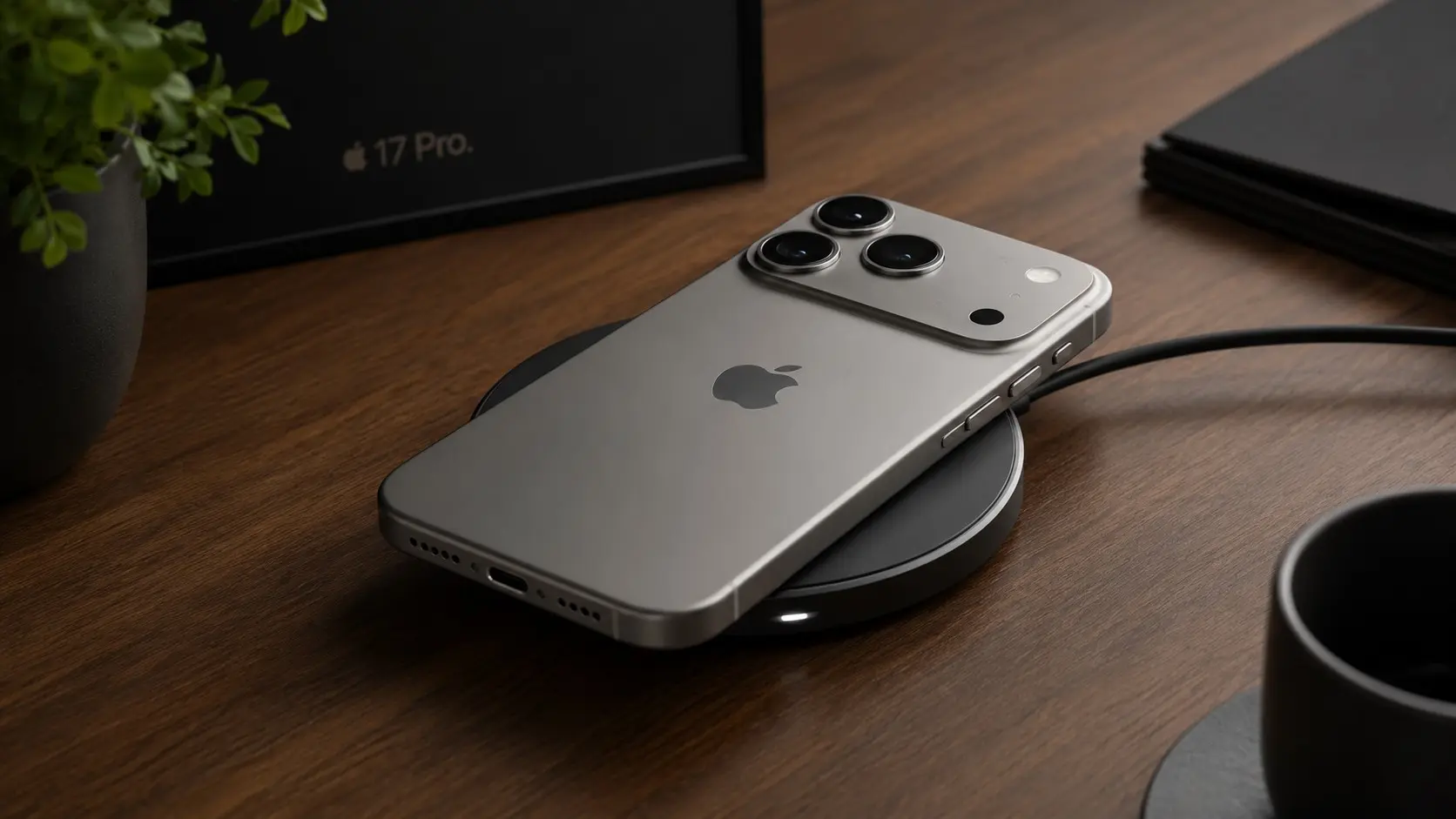
- The iPhone 17 Pro was crowned the fastest overall charging phone among 33 current smartphones tested by CNET, based on an average of wired and wireless charging times.
- CNET Labs conducted extensive testing over the past year, evaluating both wired and wireless charging performance by measuring the charge gained in 30 minutes from a low battery state.
- While the iPhone 17 Pro excelled overall, Samsung's Galaxy S26 Ultra secured the top spot for wired charging, recovering 76% battery in 30 minutes due to its 60-watt charging speed.
- Apple's iPhone 17 Pro dominated wireless charging, gaining 55% charge in 30 minutes, with four out of the top five wireless charging spots occupied by iPhones.
Why it matters
Competing interpretations
Some interpret the results as a clear victory for Apple's integrated ecosystem and its focus on balanced, efficient performance, particularly in wireless charging. Others might emphasize the continued lead of certain Android devices in raw wired charging speed, suggesting different engineering priorities. There's also the interpretation that the test highlights a broader industry shift towards real-world usability and thermal management over purely theoretical peak performance metrics.
Where disagreement lives
The primary fault-line is not in the factual test results, but in the interpretation of what constitutes 'best' charging performance. Some prioritize peak wired wattage, while others value balanced overall performance, sustained efficiency, and wireless convenience. There's also a subtle strategic disagreement on whether open standards (Qi2.2) or proprietary hardware integration (MagSafe) offer superior user experience and innovation.
What's still uncertain
The precise long-term impact of these charging speeds on battery degradation for different phone models is not detailed. The environmental footprint associated with manufacturing and disposing of faster-charging components and accessories is omitted. The cost-benefit analysis for consumers needing to purchase specific high-wattage accessories to achieve these speeds is not explicitly explored.
Who Is Affected
Consumers
Benefit from faster and more reliable charging, especially wirelessly, improving convenience. However, they may face higher costs for optimal accessories.
Smartphone Manufacturers (Apple)
Strengthened market position in premium segment, validation of their integrated ecosystem approach.
Smartphone Manufacturers (Android competitors)
Pressure to innovate in wireless charging and overall efficiency, potentially shifting R&D priorities.
Accessory Manufacturers
Increased demand for specific fast-charging and MagSafe-compatible products, but also pressure to meet new performance benchmarks.
Human stakes
For ordinary people, this news translates directly into practical convenience and potential cost considerations. Faster, more reliable charging means less anxiety about a dying phone during a long day or travel, improving daily utility. However, achieving these optimal speeds often requires investing in specific, sometimes more expensive, accessories like high-wattage adapters and MagSafe chargers, adding to the overall cost of phone ownership. The emphasis on sustained efficiency also hints at better long-term battery health, which could save users money on replacements and reduce the frustration of a rapidly degrading device.
Source spectrum
Issue intelligence
Judgments for navigating this story—not scores. Expand tooltips on each chip for rationale.
Note. Evidence confidence is about factual solidity; uncertainty is about how open-ended outcomes still are. Both can be high at once.
Decision matrix
Compares major options at a glance. Cells are summaries, not forecasts; tradeoffs are simplified for clarity.
| Option | Upside | Risk | Who benefits | Who bears cost |
|---|---|---|---|---|
| For consumers: Prioritize overall charging ecosystem (phone + accessories) over individual peak speed claims. | Achieve optimal and consistent charging performance, potentially better long-term battery health, and a more seamless user experience. | May incur higher initial costs for specific branded or high-wattage accessories; limits flexibility with generic chargers. | Consumers seeking convenience and reliability; manufacturers with integrated ecosystems. | Budget-conscious consumers; third-party accessory makers without brand partnerships. |
Plausible paths forward
Our assessment
Structural read
This story highlights a subtle but significant evolution in consumer technology metrics, moving beyond raw specifications to real-world performance and integrated system efficiency. The iPhone 17 Pro's success in CNET's tests underscores Apple's commitment to a balanced user experience, particularly in wireless charging, rather than chasing peak wattage figures. This approach, prioritizing sustained performance and thermal control, suggests a more mature understanding of user needs and battery health, aligning with long-term resilience over short-term optimization. The market's response will indicate whether consumers value this holistic efficiency over headline-grabbing speed claims.
Source reliability
Source reliability (4)
- 9to5Macexpert · international · aggregation
9to5Mac is a specialized tech news outlet that reports on product performance and industry trends. This article aggregates findings from CNET's independent testing, clearly attributing the source. Readers should note that the information is based on CNET's specific testing methodology and conditions.
- CNETexpert · on the ground · primary reporting
CNET Labs conducts independent, hands-on testing of consumer electronics. The article details the methodology for charging tests, including equipment and conditions, providing high transparency. Readers should note that the tests are specific to charging speed and may not cover other aspects like long-term battery degradation or environmental impact.
- Cult of Macunknown · commentary · aggregation
Cult of Mac reports on technology news, specifically focusing on Apple products. This article aggregates findings from a CNET lab test, clearly attributing the source. Readers should calibrate that this is a secondary report and the outlet's focus may lead to a positive framing of Apple-related news.
- The Eastern Heraldwire · international · aggregation
This outlet reports on a global tech test, synthesizing information from various industry analyses and lab testing methods. Readers should note that the article aggregates findings from other tech publications and does not present original research or product testing.
Incentives
Stated goals vs plausible private incentives—evidence strength is an analytic judgment, not proof of bad faith.
| Actor | Stated goal | Likely private incentive | Evidence |
|---|---|---|---|
| Apple | Deliver a superior, integrated user experience with balanced performance across its ecosystem. | Maintain premium market position, drive sales of proprietary accessories (MagSafe), and reinforce brand loyalty through perceived technological leadership. | strong |
| Samsung/Android Manufacturers | Offer competitive charging speeds and features across a diverse range of devices. | Attract consumers with high-wattage claims, compete for market share, and differentiate products in a crowded market. | moderate |
| CNET Labs | Provide independent, objective testing and consumer guidance on technology products. | Maintain journalistic credibility, attract readership, and establish authority in tech reviews. | strong |
Second-order effects
Increased consumer demand for MagSafe-compatible accessories and potentially a wider adoption of similar magnetic alignment technologies by other manufacturers.
Probability: high · Horizon: short · Affected: Consumers, Accessory manufacturers, Smartphone manufacturers
A shift in marketing strategies by smartphone companies, moving away from solely highlighting peak wattage to emphasizing overall charging efficiency, thermal management, and balanced performance.
Probability: medium · Horizon: medium · Affected: Smartphone manufacturers, Marketing agencies, Tech media
Temporal signal
How the signal travels in time: noise versus structure, and how long institutions may remember it.
- Significance
- structural shift
- Durability
- years
- Institutional memory
- medium
The shift from peak wattage to sustained efficiency and real-world performance represents a structural change in how charging technology is evaluated and developed, impacting future product cycles and consumer expectations.
Epistemic governance
Institutional trust, coordination, values in tension, and testable forecasts—models for reasoning, not verdicts of fact.
Forecasts and calibration
Resolvable claims recorded at publish time for later outcome tracking.
- Within the next 12 months, at least two major Android smartphone manufacturers will release new flagship models featuring magnetic alignment systems for wireless charging, similar to Apple's MagSafe, to improve efficiency.Domain: technologyKind: institutional changeTier: mediumResolve by: 2027-05-14
- By the end of 2027, industry-wide standards for reporting smartphone charging performance will evolve to include metrics beyond peak wattage, such as sustained charge rate over 30 minutes and thermal efficiency, driven by consumer demand and competitive pressure.Domain: technologyKind: economicTier: mediumResolve by: 2027-12-31
Related News


Comments
Revisions(1)
We Tested 33 New Phones to See Which Charge Fastest and Crown 2 Winners
CurrentCognition tier backfill (compression + gated deep/civilizational fields)