
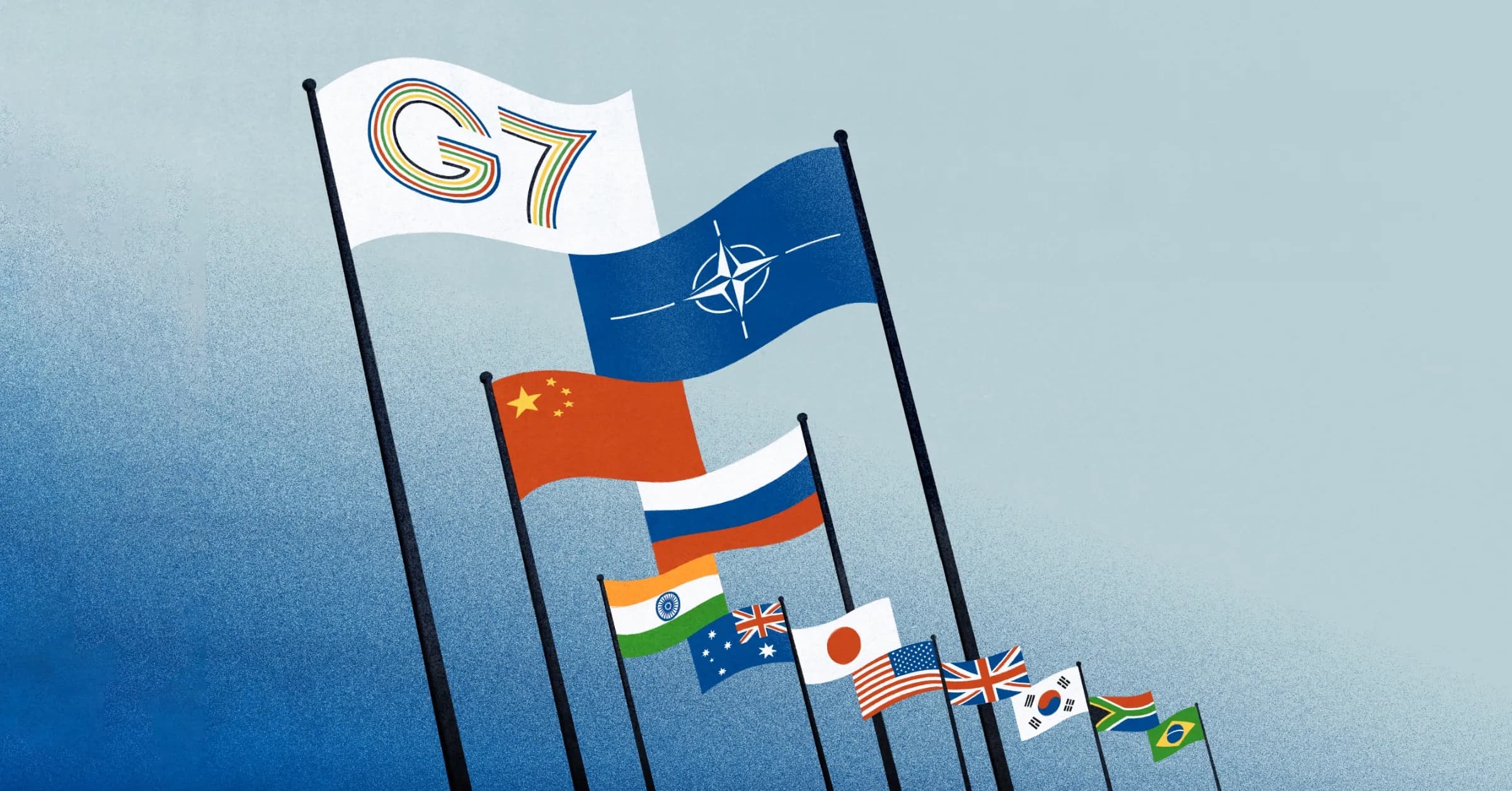
World Affairs & Geopolitics · Geopolitics & Strategic Relations
Alliances & Multilateralism
Framework
A live assessment of how this issue works in practice—institutions, tradeoffs, and what would improve outcomes. Evidence accumulates in our Summa.
Background
Why this remains an issue
- Alliances provide security but also create obligations and entanglements
- Multilateral institutions struggle with enforcement when major powers defect
- Regional organizations vary in effectiveness depending on member commitment
- Alliance cohesion faces challenges from diverging interests and values
Core fault lines
- Inclusiveness vs effectiveness: broad membership vs enforcement capacity
- Flexibility vs commitment: adaptability vs reliability
- Regional vs global: local solutions vs universal frameworks
- Institutionalization vs ad-hoc: formal structures vs flexible arrangements
At a glance
Origin
Effective multilateralism needs both inclusive institutions and enforcement capacity
Why now
Alliances provide security but also create obligations and entanglements Multilateral institutions struggle with enforcement when major powers defect
What to watch next
What forms of multilateralism work best in a multipolar world? How do we balance alliance commitments with national autonomy?
Snapshot
Current signals
- Alliances provide security but also create obligations and entanglements
- Multilateral institutions struggle with enforcement when major powers defect
- Regional organizations vary in effectiveness depending on member commitment
- Alliance cohesion faces challenges from diverging interests and values
Analysis
Decision tradeoffs
- Inclusiveness vs effectiveness: broad membership vs enforcement capacity
- Flexibility vs commitment: adaptability vs reliability
- Regional vs global: local solutions vs universal frameworks
- Institutionalization vs ad-hoc: formal structures vs flexible arrangements
Working view
- Effective multilateralism needs both inclusive institutions and enforcement capacity
- Both formal alliances and flexible partnerships have roles in international relations
- Regional organizations can complement global institutions when well-designed
- Alliance management requires balancing cohesion with flexibility
Deep intelligence
What could change our mind
- What forms of multilateralism work best in a multipolar world?
- How do we balance alliance commitments with national autonomy?
- Can multilateral institutions adapt to changing power distributions?
- What mix of formal and informal cooperation is most effective?
Related articles
Recent reporting tagged to this topic—read snapshots first, then open full analyses.