
Future & Long-Term Challenges
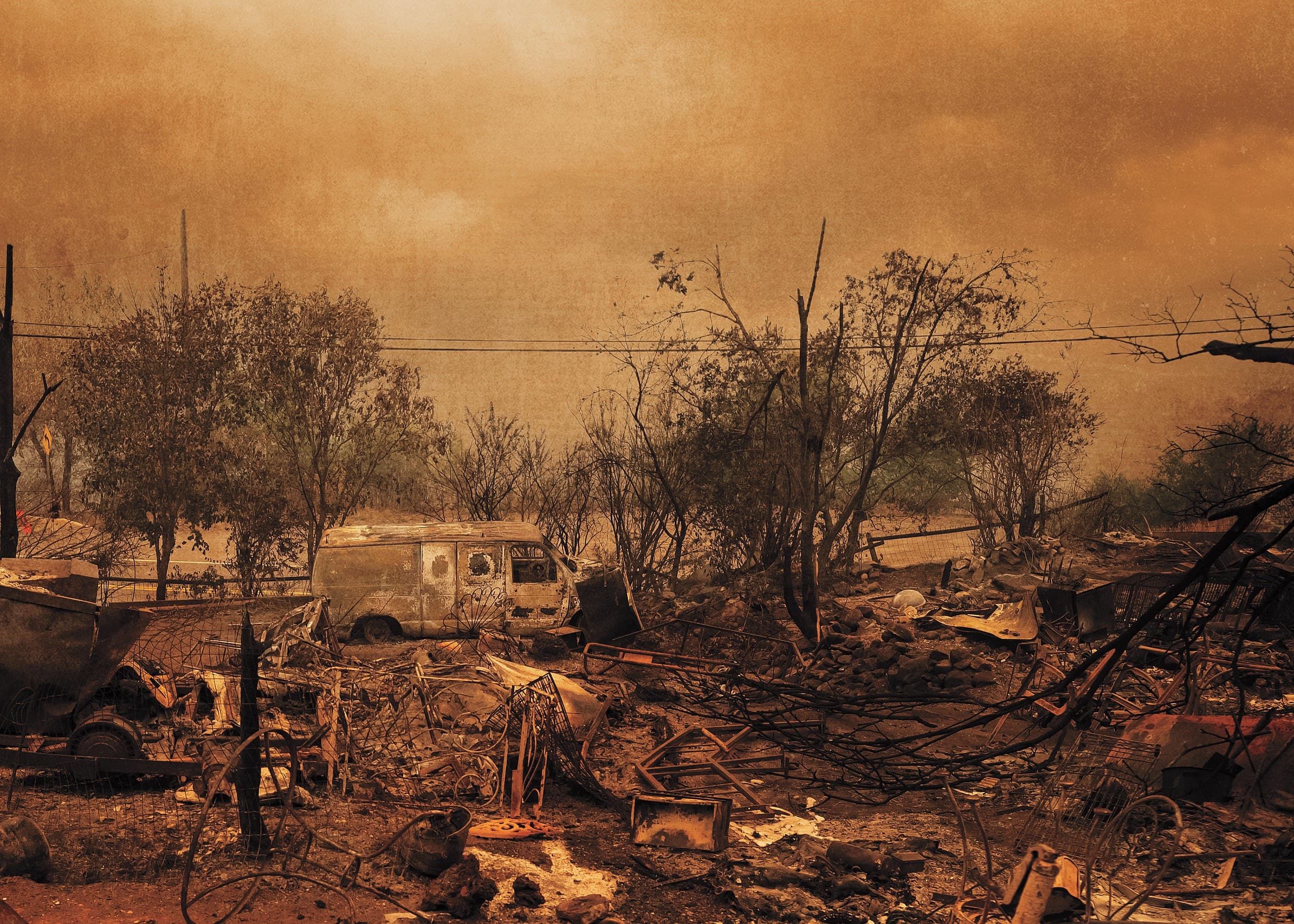
Climate Adaptation, Wildfires, Floods & Insurance
TopicCA
A live assessment of how this issue works in practice—institutions, tradeoffs, and what would improve outcomes. Evidence accumulates in our Summa.
Background
Why this remains an issue
- OECD warns Canada faces mounting adaptation challenges from floods and wildfires
- BC fires, Alberta smoke, Atlantic floods, and heat domes stress homes, infrastructure, and insurance
- Adaptation is separate from energy transition—resilience of cities, farms, and public finance
- Indigenous land stewardship and northern communities face disproportionate climate harm
Core fault lines
- Prevention vs recovery: upfront adaptation vs disaster-response politics
- Insurance vs affordability: risk pricing vs household exclusion
- Urban vs rural: metro flood defence vs remote fire and food-cost shocks
- Mitigation vs adaptation: emissions targets vs near-term protective investment
At a glance
Origin
Adaptation deserves its own page—not a subsection of oil sands or carbon tax debates
Why now
OECD warns Canada faces mounting adaptation challenges from floods and wildfires BC fires, Alberta smoke, Atlantic floods, and heat domes stress homes, infrastructure, and insurance
What to watch next
Can insurance markets price wildfire and flood risk without excluding middle-income households? What building codes and land-use rules reduce losses in high-risk zones?
Snapshot
Current signals
- OECD warns Canada faces mounting adaptation challenges from floods and wildfires
- BC fires, Alberta smoke, Atlantic floods, and heat domes stress homes, infrastructure, and insurance
- Adaptation is separate from energy transition—resilience of cities, farms, and public finance
- Indigenous land stewardship and northern communities face disproportionate climate harm
Analysis
Decision tradeoffs
- Prevention vs recovery: upfront adaptation vs disaster-response politics
- Insurance vs affordability: risk pricing vs household exclusion
- Urban vs rural: metro flood defence vs remote fire and food-cost shocks
- Mitigation vs adaptation: emissions targets vs near-term protective investment
Working view
- Adaptation deserves its own page—not a subsection of oil sands or carbon tax debates
- Hybrid policy combines fire-smart land use, flood mapping, building standards, and insurance reform
- Disaster response credibility affects trust in provincial and federal capacity
- Climate harm cascades through housing, health, and fiscal repair costs
Deep intelligence
What could change our mind
- Can insurance markets price wildfire and flood risk without excluding middle-income households?
- What building codes and land-use rules reduce losses in high-risk zones?
- How should disaster funds interact with provincial and Indigenous governance?
- Which adaptation investments yield the highest resilience per dollar?
Related articles
Recent reporting tagged to this topic—read snapshots first, then open full analyses.