
Future & Long-Term Challenges
Climate Adaptation, Heat, Floods & Insurance
TopicDE
A live assessment of how this issue works in practice—institutions, tradeoffs, and what would improve outcomes. Evidence accumulates in our Summa.
Background
Why this remains an issue
- Mitigation dominates debate while adaptation—floods, heat, water stress, forests, and urban cooling—gains urgency
- Recent analysis warns extreme heat could cost Germany heavily by 2030 through productivity and energy-demand effects
- Insurance gaps, municipal resilience, and infrastructure hardening lag visible climate impacts
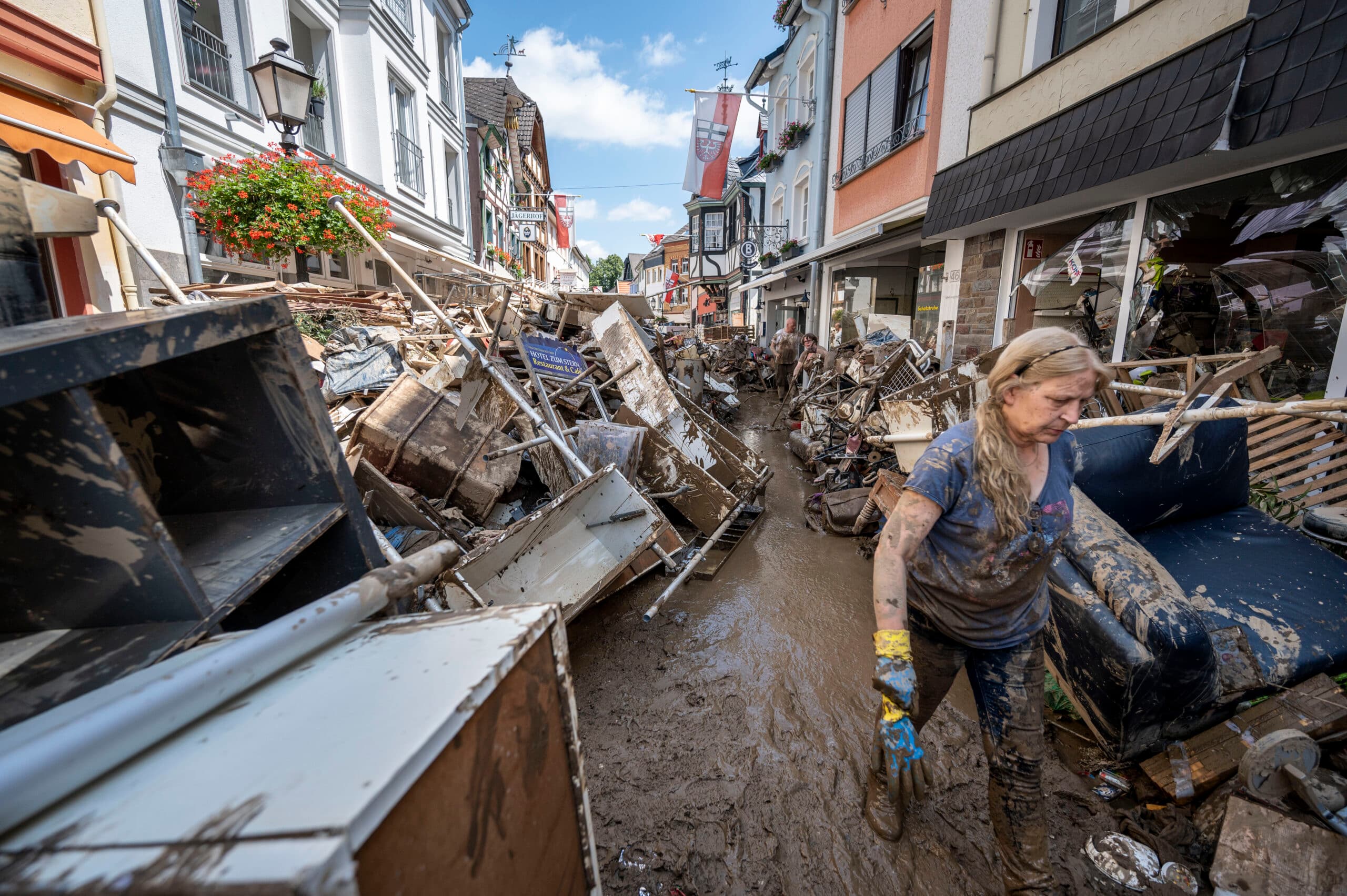
- 2021 flood memory and recurring drought cycles test whether rich regions invest in long-term resilience
Core fault lines
- Prevention vs recovery: upfront adaptation vs disaster-response politics
- Urban vs rural: heat islands and flood plains vs agricultural water stress
- Public vs private: municipal duty vs insurance and homeowner responsibility
- Mitigation vs adaptation: emissions targets vs near-term protective investment
At a glance
Origin
Adaptation fits OAP's long-term resilience frame better than short-term optimisation alone
Why now
Mitigation dominates debate while adaptation—floods, heat, water stress, forests, and urban cooling—gains urgency Recent analysis warns extreme heat could cost Germany heavily by 2030 through productivity and energy-demand effects
What to watch next
How should flood-risk maps and building codes change without blocking needed housing supply? Can insurance markets price climate risk fairly without excluding low-income households?
Snapshot
Current signals
- Mitigation dominates debate while adaptation—floods, heat, water stress, forests, and urban cooling—gains urgency
- Recent analysis warns extreme heat could cost Germany heavily by 2030 through productivity and energy-demand effects
- Insurance gaps, municipal resilience, and infrastructure hardening lag visible climate impacts
- 2021 flood memory and recurring drought cycles test whether rich regions invest in long-term resilience
Analysis
Decision tradeoffs
- Prevention vs recovery: upfront adaptation vs disaster-response politics
- Urban vs rural: heat islands and flood plains vs agricultural water stress
- Public vs private: municipal duty vs insurance and homeowner responsibility
- Mitigation vs adaptation: emissions targets vs near-term protective investment
Working view
- Adaptation fits OAP's long-term resilience frame better than short-term optimisation alone
- Hybrid policy combines flood defence, urban greening, building standards, and credible insurance markets
- Länder and municipalities need finance and data tools—not only national climate targets
- Heat and water stress are industrial and fiscal risks, not only environmental side notes
Deep intelligence
What could change our mind
- How should flood-risk maps and building codes change without blocking needed housing supply?
- Can insurance markets price climate risk fairly without excluding low-income households?
- What urban cooling and forest management programmes scale across regions?
- How are agricultural water rights balanced during drought?
Related articles
Recent reporting tagged to this topic—read snapshots first, then open full analyses.