
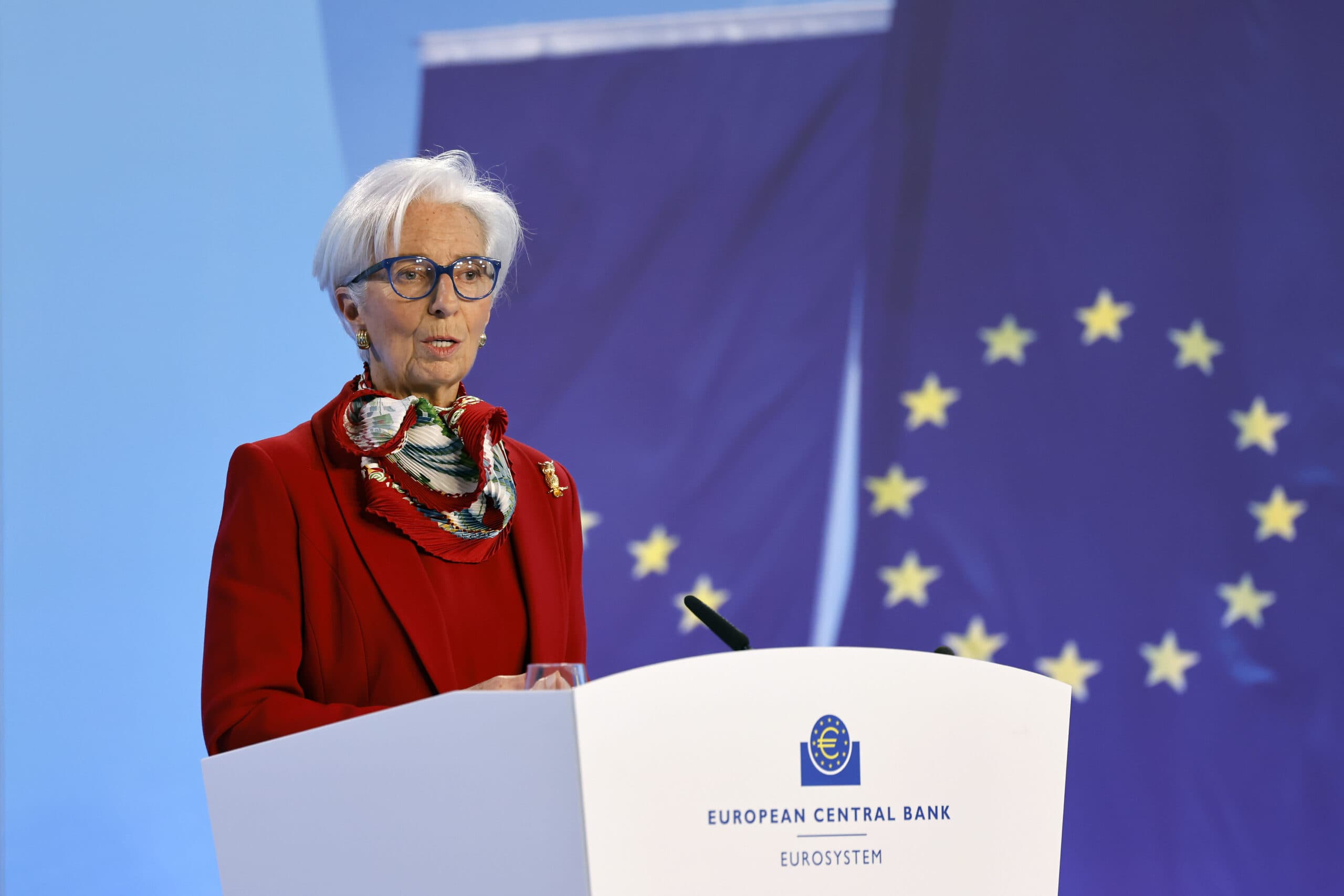
European Central Bank · Society & Governance
Central Bank Independence & Political Pressure

A live assessment of how this issue works in practice—institutions, tradeoffs, and what would improve outcomes. Evidence accumulates in our Summa.
Background
When elected leaders challenge ECB credibility and appointment politics.
Why this remains an issue
- Euro-area politicians routinely comment on rates, QT, and bond purchases
- Appointment and review processes for ECB leadership attract geopolitical attention
- Independence is legally protected but socially contested after inflation shocks
- National courts and constitutional debates occasionally brush ECB primacy
Core fault lines
- Independence vs accountability: technocracy vs democratic oversight
- National politics vs euro policy: domestic elections vs Frankfurt mandates
- Legitimacy vs silence: public explanation vs mystique
- Fiscal dominance vs monetary dominance: who leads in crises?
At a glance
Origin
When elected leaders challenge ECB credibility and appointment politics.
Why now
Euro-area politicians routinely comment on rates, QT, and bond purchases Appointment and review processes for ECB leadership attract geopolitical attention
What to watch next
What oversight reforms would strengthen legitimacy without politicizing rates? How should ECB respond to populist attacks in large member states?
Snapshot
Current signals
- Euro-area politicians routinely comment on rates, QT, and bond purchases
- Appointment and review processes for ECB leadership attract geopolitical attention
- Independence is legally protected but socially contested after inflation shocks
- National courts and constitutional debates occasionally brush ECB primacy
Analysis
Decision tradeoffs
- Independence vs accountability: technocracy vs democratic oversight
- National politics vs euro policy: domestic elections vs Frankfurt mandates
- Legitimacy vs silence: public explanation vs mystique
- Fiscal dominance vs monetary dominance: who leads in crises?
Working view
- Independence survives only with clear communication and measurable mandates
- Hybrid accountability: strong legal autonomy plus open testimony and impact analysis
- Political pressure should be answered with data, not opacity
- Central banks cannot carry fiscal and social policy by default
Deep intelligence
What could change our mind
- What oversight reforms would strengthen legitimacy without politicizing rates?
- How should ECB respond to populist attacks in large member states?
- Can fiscal rules reduce pressure on monetary policy?
- When does commentary cross into credible independence threats?
Related articles
Recent reporting tagged to this topic—read snapshots first, then open full analyses.