
Society & Governance
Migration, Mediterranean Routes & Integration
TopicES
Not whether Spain can grow through migration, but whether it can turn demographic renewal into housing, work, legal status, and shared civic membership.
OAP view
Spain’s immigration challenge is not primarily one of national decline caused by migration; it is one of absorption capacity. The durable path is high-capacity inclusive integration: legal pathways that match labour and demographic need, fast asylum and regularisation processes, serious housing policy, municipal support, anti-exploitation enforcement, and a civic settlement that recognises Latin American, African, EU, and other migration without turning growth into resentment.
Thesis
Spain is one of Europe’s clearest cases where immigration is driving population growth and labour-force renewal. That gives Spain an opportunity many ageing societies lack. But it also creates pressure on housing, urban services, asylum administration, regional politics, and social cohesion.
A serious policy has to do three things at once: keep legal pathways credible, prevent exploitation in tourism, care, agriculture and services, and make integration measurable through work quality, language/education, housing stability, regularisation, asylum speed, and regional absorption.
The debate is often less assimilationist than in France and less securitised than Italy, but it is becoming more politically contested as Vox and housing pressure make immigration more salient.
Key numbers
Live civic-intelligence dashboard — judge integration by measurable performance, not posture.
- Foreign-born populationRisingHigh confidence8.8M · 18.4%+48% since 2014Major driver of demographic growthSource: OECD, 2024· Verified 2026-05
- Foreign nationality shareRisingHigh confidence14.1%Population 49.13M at Jan 2025Foreign nationality differs from foreign-bornSource: INE, Jan 2025· Verified 2026-05
- Born outside SpainRisingHigh confidence19.3%Annual census resultsBroader than foreign nationalitySource: INE, Jan 2025· Verified 2026-05
- Net external migrationHigh confidence+626,26816,028 fewer than 2023Major source of population growthSource: INE, 2024· Verified 2026-05
- Asylum applicationsRisingHigh confidence167,366164,010 first-time applicationsVenezuela and Colombia dominateSource: AIDA, 2024· Verified 2026-05
- Main foreign-born originsHigh confidenceMorocco, Colombia, VenezuelaMorocco 12%, Colombia 10%, Venezuela 7% of foreign-born in OECD profileDifferent from many northern-European migration patternsSource: OECD / INE, 2024–25· Verified 2026-05
Definitions
Immigration debates mix categories. These terms are used consistently on this page.
- Immigrant / foreign-born
- A person born outside the country of residence; citizenship status may vary.
- Foreign national / non-citizen
- A resident who does not hold the country’s citizenship; not the same as immigrant background.
- Descendant of immigrants
- A person born in the country with one or more immigrant parents; often a citizen, not an immigrant.
- Asylum seeker
- A person requesting international protection whose claim has not yet been finally decided.
- Refugee / protection status
- A person granted protection after a legal process or admitted through a resettlement pathway.
- Regularisation / legalisation
- A pathway from irregular status to legal stay, usually under specific work, family, humanitarian, or residence conditions.
- Empadronamiento
- Municipal registration, crucial for access to services and evidence of residence in Spain.
- Arraigo
- Spanish regularisation route based on social, labour, family, training, or other ties after a period of residence.
At a glance
- 01
Scale
Spain’s foreign-born population was about 8.8 million in 2024, around 18.4% of the population; INE’s January 2025 census variables show 19.3% born outside Spain and 14.1% with foreign nationality.
- 02
Direction of travel
Spain is growing through migration: net external migration was +626,268 in 2024, with large flows from Latin America and Morocco.
- 03
Why now
Immigration is tied to labour shortages, economic growth, rural depopulation, asylum from Latin America and Africa, housing pressure, and rising far-right contestation.
- 04
What integration should mean
Integration should mean legal status, work quality, housing access, municipal registration, school inclusion, Spanish/catalan/basque/galician access where relevant, and protection from exploitation.
Migration types
“Immigration” is not one problem. Students, workers, family, asylum, irregular migrants, EU movers, and French-born descendants require different tools.
Latin American migration
- Scale
- Large and rising, especially Colombia and Venezuela
- Policy problem
- Legal pathways, credential recognition, housing, and labour-market entry
OAP note Shared language helps, but does not solve housing or job-quality issues.
Moroccan and North African migration
- Scale
- Long-standing major origin group
- Policy problem
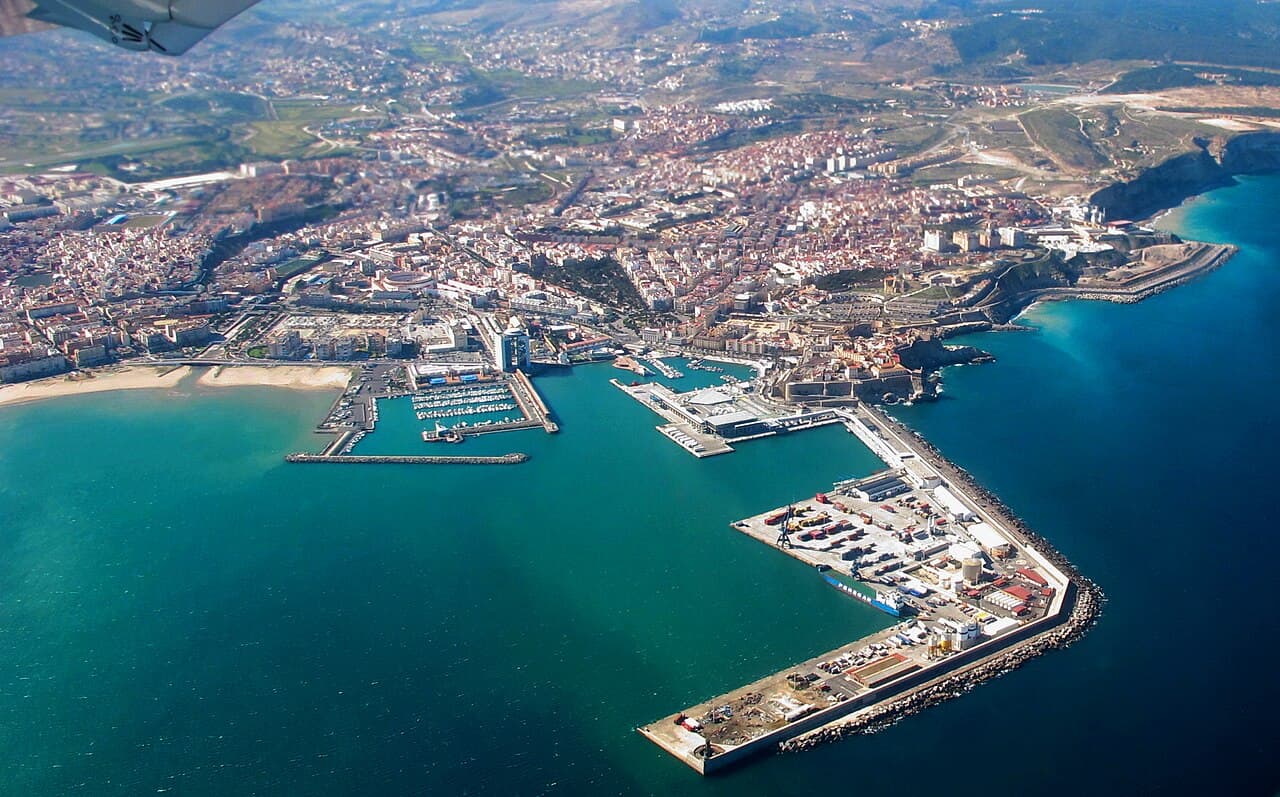
- Agriculture, services, discrimination, border politics, and Ceuta/Melilla symbolism
OAP note Integration must separate labour reality from border panic.
Asylum seekers
- Scale
- 167,366 applications in 2024
- Policy problem
- Very high volume, slow decisions, humanitarian status, and reception strain
OAP note Spain is now one of Europe’s central asylum destinations.
Workers in services/tourism/agriculture
- Scale
- Essential to growth sectors
- Policy problem
- Low wages, temporary work, informality, and exploitation
OAP note Spain’s pro-migration model needs labour enforcement to remain legitimate.
Regularisation / arraigo
- Scale
- Central feature of Spanish model; reforms aim to regularise large numbers annually
- Policy problem
- Pathway can reduce irregularity but may be criticised as pull factor
OAP note Regularisation is stronger when tied to work, language, and employer compliance.
EU mobility
- Scale
- Important in coastal and metropolitan regions
- Policy problem
- Housing, services, and ageing EU retirees are different from asylum/labour migration
OAP note Do not collapse EU lifestyle migration into the same category as irregular arrivals.
Data · Population and migration flows
| Signal | Latest useful figure | Why it matters |
|---|---|---|
| Foreign-born population | 8.8M / 18.4% in 2024 | Spain is one of Europe’s major migrant-growth countries. |
| Born outside Spain | 19.3% at Jan 2025 | Migration is now structurally central to Spain’s population. |
| Net external migration | +626,268 in 2024 | Immigration is driving population growth. |
| Asylum applications | 167,366 in 2024 | Spain’s asylum system is under high pressure. |
Data · Integration performance indicators
| Signal | Latest useful figure | Why it matters |
|---|---|---|
| Foreign-worker dependence | Track share of job growth taken by foreign nationals/foreign-born | Migration is linked to Spain’s recent growth model. |
| Housing affordability | Track rent burden in Madrid, Barcelona, Valencia, islands and coastal zones | Housing is the main integration choke point. |
| Asylum recognition and humanitarian protection | Track refugee, subsidiary and humanitarian outcomes | Spain’s Latin American asylum flows often produce humanitarian protection rather than classic refugee status. |
| Regularisation outcomes | Track arraigo grants, work outcomes and exploitation enforcement | Regularisation can reduce informality if paired with employer accountability. |
Asylum capacity
Spain’s asylum system faces very high volume, especially from Latin America. The key issue is not only border arrival but whether claims are processed fast enough and whether humanitarian protection, work access, and housing support prevent long-term limbo.
| Signal | Figure / metric | Why it matters |
|---|---|---|
| Applications | 167,366 in 2024 | Spain received one of Europe’s largest asylum caseloads. |
| First-time applicants | 164,010 in 2024 | Shows new annual pressure. |
| Main origins | Venezuela, Colombia, Mali, Peru, Senegal | Asylum drivers mix Latin American political/economic crisis and African protection routes. |
| Recognition including humanitarian status | 57% including humanitarian status in AIDA summary | Spain’s protection model relies heavily on humanitarian protection. |
Capacity pressures
- Asylum office throughput
- Reception and housing in high-demand cities
- Work-authorisation and regularisation timing
- Regional and municipal integration capacity
- Canary Islands / Ceuta / Melilla pressures
Policy directionIncrease asylum and reception capacity, distinguish Latin American humanitarian protection from other routes, protect access to work, and link regularisation to employer compliance, language and housing stability.
What is really at stake
The visible debate
Spain argues about immigration through growth, jobs, asylum, housing, rural depopulation, Ceuta/Melilla and Canary routes, and Vox’s cultural-security framing.
The deeper debate
The deeper question is whether Spain can use migration as demographic renewal without importing a new underclass or worsening the housing crisis.
The institutional test
The test is whether regularisation, asylum, labour inspection, housing, regional governments, and municipal registration can keep pace with rapid inflows.
Core fault lines
Growth vs housing pressure
Migration supports employment and population growth but collides with a housing shortage in major cities and tourist regions.
OAP view
Pro-migration policy fails if it does not build housing capacity.
Regularisation vs pull-factor fear
Spain’s arraigo model reduces informality but critics say it encourages irregular arrival.
OAP view
Regularisation is defensible when tied to work, residence, and employer sanctions.
Humanitarian protection vs administrative speed
Many claims come from countries where humanitarian protection is more common than refugee status.
OAP view
Spain needs fast, transparent categories rather than slow ambiguity.
Economic openness vs labour exploitation
Services, agriculture and care absorb migrant labour, but informality can undermine integration.
OAP view
Labour inspection is integration policy.
National growth vs regional absorption
Madrid, Catalonia, Valencia, islands and rural areas experience migration differently.
OAP view
Spain needs regional capacity metrics, not one national story.
Outcomes
Entry numbers matter less than what happens after arrival — employment, schools, housing, discrimination, and trust.
Employment quality
Track foreign-born job quality, wages and informality
What this meansWork is abundant but not always secure or upwardly mobile.
Success metricReduce migrant concentration in low-wage/informal sectors.
Housing
Migration growth meets severe urban and coastal housing pressure
What this meansHousing may become Spain’s main integration bottleneck.
Success metricLower rent burden and overcrowding in high-migration municipalities.
Regularisation
Arraigo routes are central to Spain’s model
What this meansLegal status can reduce exploitation if capacity and enforcement work.
Success metricRegularisation tied to stable work and employer compliance.
Asylum throughput
167,366 applications in 2024
What this meansSpain is a major asylum destination; slow decisions undermine trust.
Success metricDecision times fall without quality collapse.
Education and language
Shared Spanish helps many Latin American migrants; others need language access
What this meansLanguage integration varies by origin and region.
Success metricSchool and regional-language support where needed.
Regional cohesion
Catalonia, Madrid, Valencia and islands carry high pressure
What this meansIntegration outcomes depend on regional capacity.
Success metricFunding aligned with net migration by region.
Bottlenecks
Oficina de Asilo y Refugio
StrainVery high asylum caseload
Reform directionMore staff, triage, transparent humanitarian-protection pathways.
Municipal registration systems
StrainEmpadronamiento access and proof of residence
Reform directionEnsure registration without enabling housing abuse.
Labour inspectorate
StrainInformality in agriculture, care, tourism and services
Reform directionEmployer enforcement plus legal work pathways.
Housing authorities
StrainRent pressure in high-growth regions
Reform directionHousing policy as migration-integration policy.
Regional governments
StrainEducation, health, language, and housing capacity vary by region
Reform directionRegional integration dashboards.
Border and island reception
StrainCanary, Ceuta/Melilla and maritime arrivals
Reform directionHumane reception and EU coordination.
Current signals
- 1
Spain remains pro-migration relative to peers
Government strategy links immigration to economic growth, rural renewal, and labour shortages.
- 2
Foreign-born share is rising rapidly
OECD and INE data show a large and growing foreign-born population, now around one-fifth of the population by INE’s born-outside-Spain measure.
- 3
Asylum demand is very high
AIDA reports 167,366 applications in 2024, with Venezuela and Colombia central.
- 4
Housing could become the limiting factor
Without housing capacity, Spain’s inclusive model may turn into local resentment.
Policy options
Compare approaches by upside, risk, and who bears the cost — not by slogan.
| Option | Upside | Risk | Who benefits | Who bears cost | OAP assessment |
|---|---|---|---|---|---|
| Inclusive growth migration model | Supports labour, demography, services, and rural renewal | Housing, informality and local services lag behind inflows | Employers, migrants, ageing regions, growth sectors | Renters and high-pressure municipalities if capacity is weak | Directionally strong, but must be paired with housing and labour enforcement. |
| Restrictionist turn | May reduce salience and appease backlash | Labour shortages, demographic decline, informality and humanitarian bottlenecks | Vox-style framing | Employers, migrants, ageing regions, public finances | Misreads Spain’s demographic and economic reality. |
| Regularisation without enforcement | Reduces irregularity quickly | Can reward exploitative employers and fuel pull-factor criticism | Undocumented workers and some employers | Public trust if rules appear arbitrary | Regularisation must be rule-based and tied to labour enforcement. |
| High-capacity inclusive integration (OAP preferred) | Combines growth, legality, housing, labour protection and asylum capacity | Requires coordination across national, regional and municipal levels | Workers, municipalities, employers, public trust | Informal employers and actors invested in backlash | Preferred: legal pathways + housing + work enforcement + asylum throughput + regional funding. |
Who opposes this
A serious package must name resistance—not pretend consensus exists.
Vox / restrictionist voters
Likely objectionImmigration is changing Spain too fast.
OAP response
Speed is real, but shutting flows without labour and housing strategy would hurt Spain’s demographic and economic position.
Employers in agriculture/services
Likely objectionRegularisation and enforcement raise costs.
OAP response
A growth model built on exploitation is politically and morally unstable.
Housing activists
Likely objectionMigration worsens rent pressure.
OAP response
Housing failure is real; blaming migrants instead of building capacity misses the structural cause.
Regional governments
Likely objectionMadrid sets policy but regions absorb services.
OAP response
Integration funding should follow regional net migration and asylum pressure.
OAP package
High-capacity inclusive integration
Not denial of immigration’s benefits. Not housing-blind openness. Not restrictionist panic.
A serious Spanish model preserves legal openness while building housing, labour and asylum capacity fast enough to sustain legitimacy.
- 1
Housing as integration infrastructure
Main blockerLand-use politics, tourist pressure and regional fragmentation.
Treat rent pressure and overcrowding as migration-policy constraints.
- High-migration housing dashboard
- Social and rental housing supply
- Anti-overcrowding enforcement
- Local capacity funds
- 2
Rule-based regularisation
Main blockerPublic fear of pull factors and employer evasion.
Use arraigo to reduce informality without making rules arbitrary.
- Transparent criteria
- Work and training pathways
- Employer sanctions
- Municipal registration safeguards
- 3
Asylum throughput and humanitarian clarity
Main blockerCaseload volume and reception capacity.
Process high Latin American and African demand quickly and honestly.
- More asylum staff
- Clear humanitarian-protection routes
- Work access during processing
- Regional reception planning
- 4
Labour standards in growth sectors
Main blockerInformality and low-margin employers.
Make tourism, care, agriculture and services lawful and upwardly mobile.
- Labour inspections
- Sectoral wage enforcement
- Credential recognition
- Training and mobility ladders
- 5
Regional integration capacity
Main blockerCentral-regional coordination.
Fund the places actually receiving migrants.
- Regional dashboards
- School and health funding
- Language support
- Rural settlement incentives where voluntary
Not this
- Pro-migration rhetoric without housing
- Regularisation without employer enforcement
- Asylum backlog hidden by humanitarian labels
- Restrictionism that ignores demography
- Regional capacity treated as local problem only
OAP working view
Spain should move from immigration-as-growth narrative to integration-capacity delivery.
Judge success by housing affordability, work quality, asylum decision time, regularisation outcomes, regional service capacity, school inclusion, and exploitation enforcement. The strongest approach is high-capacity inclusive integration: legal openness, rule-based status, labour standards, regional funding, and housing as civic infrastructure.
The central failure mode is assuming shared language and economic growth solve integration automatically. Spain’s opportunity is real, but so are housing and administrative constraints.
Policy performance dashboard
What good looks like vs failure mode — by policy area.
| Policy area | What good would look like | Failure mode |
|---|---|---|
| Legal pathways | Transparent work, family, study and regularisation routes | Informality and arbitrary status |
| Asylum | Fast decisions with clear humanitarian protection | Large backlog and reception strain |
| Housing | Supply and rental policy match population growth | Migration becomes scapegoat for housing failure |
| Labour | Migrant work is legal, inspected and upwardly mobile | Growth built on exploitation |
| Regional capacity | Funding follows migration by region and municipality | Local resentment and uneven integration |
What we would watch next
- 1
Housing pressure in high-growth cities
Watch rent burden, overcrowding and tourist-zone displacement.
- 2
Asylum applications and decisions
Spain’s role as top EU asylum destination must be matched by throughput.
- 3
Regularisation outcomes
Track how many gain status, jobs, and stable residence through arraigo.
- 4
Labour inspection in agriculture/services
Exploitation risk determines legitimacy of inclusive migration.
- 5
Vox and regional politics
Political temperature may rise if capacity lags growth.
Mind changers
Specific measurable indicators — not vibes.
More optimistic if
- Asylum decision times fall while humanitarian protection remains transparent
- Regularised workers show stable employment and reduced exploitation
- High-migration regions receive housing and school capacity funding
- Rent pressure eases in high-growth municipalities despite migration
More pessimistic if
- Housing crisis becomes dominant anti-immigration frame
- Asylum backlog grows as applications remain high
- Regularisation perceived as arbitrary due to weak enforcement
- Labour exploitation persists in tourism/agriculture/care
OAP scorecard
- Integration capacity7/10
Spain has inclusive legal instincts and strong labour absorption, but housing, asylum throughput and labour exploitation risks are significant.
- Evidence confidence8/10
INE, OECD and AIDA provide strong data; some labour-exploitation indicators require sectoral sources.
- Political temperature7/10
Less overheated than France/UK/Italy but rising with Vox and housing pressure.
- Institutional stress7/10
Asylum office, housing, regional services and labour inspection face pressure.
- Policy solvability7/10
Spain has workable tools—regularisation, municipal registration, labour integration—but must add housing and enforcement capacity.
- Performance-measurement readiness6/10
Good demographic data, weaker public dashboard on integration outcomes and local absorption.
Related articles
Recent reporting tagged to this topic—read snapshots first, then open full analyses.