
World Affairs & Geopolitics · Conflict & Security
Ethiopia-Horn of Africa Fragility
ConflictOngoingSince 2020
A live assessment of how this issue works in practice—institutions, tradeoffs, and what would improve outcomes. Evidence accumulates in our Summa.
Background
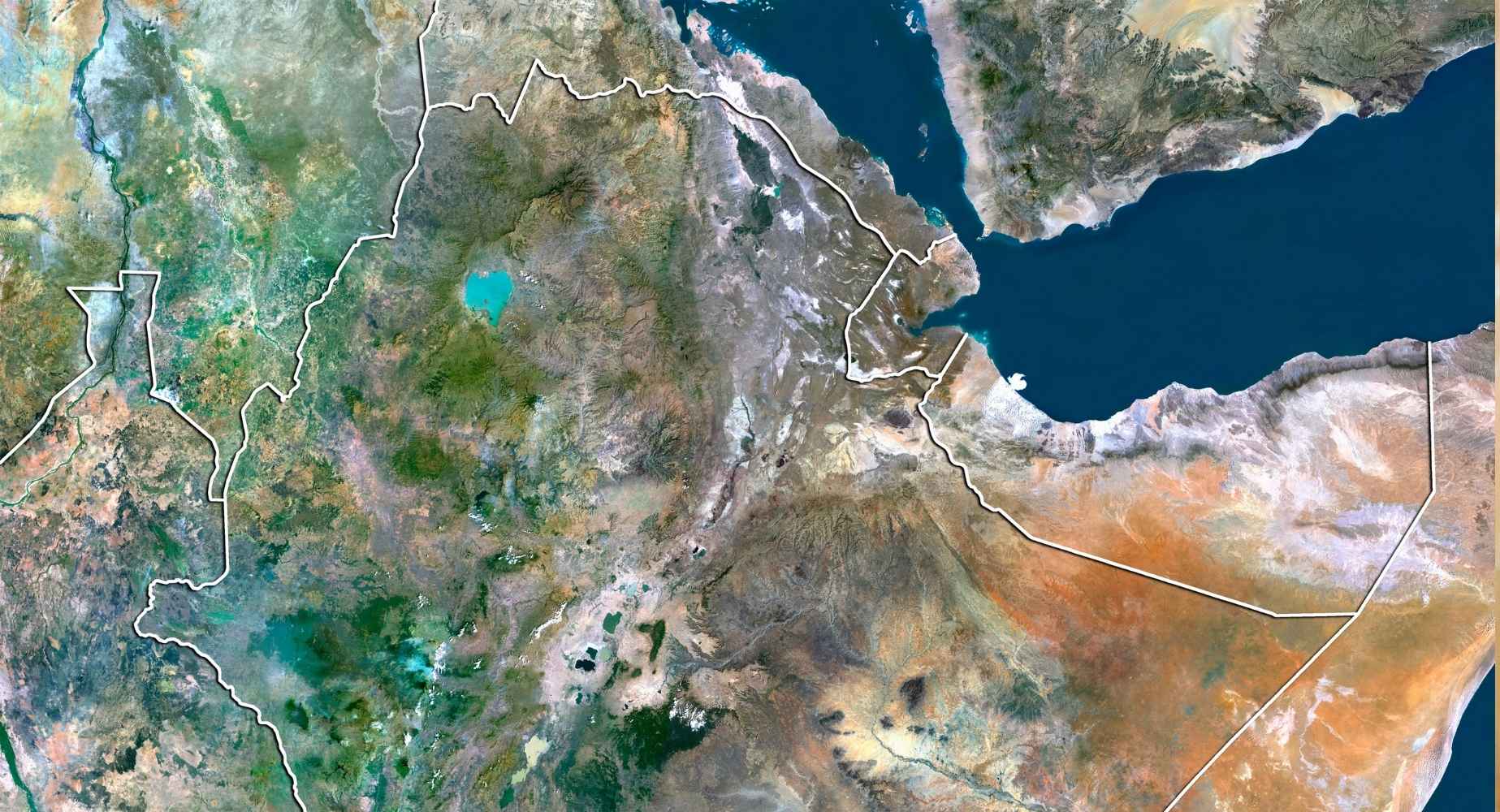
Post-Tigray instability, inter-ethnic violence, and regional security strain across the Horn of Africa
Why this remains an issue
- Formal peace agreements reduced some large-scale fighting but violence persists in multiple regions
- Humanitarian access and reconstruction remain uneven
- Ethno-federal political tensions continue to shape security risks
- Cross-border spillovers affect Sudan, Eritrea, Somalia, and Red Sea corridors
Core fault lines
- State consolidation vs regional autonomy
- Peace implementation vs renewed localized conflict
- Humanitarian response vs political conditionality
- National stabilization vs regional rivalry dynamics
At a glance
Origin
Roots trace to about 2020. Post-Tigray instability, inter-ethnic violence, and regional security strain across the Horn of Africa
Why now
Formal peace agreements reduced some large-scale fighting but violence persists in multiple regions Humanitarian access and reconstruction remain uneven
What to watch next
What governance arrangements can reduce repeated center-periphery violence? How can reconstruction be protected from political and militia capture?
Snapshot
Current signals
- Formal peace agreements reduced some large-scale fighting but violence persists in multiple regions
- Humanitarian access and reconstruction remain uneven
- Ethno-federal political tensions continue to shape security risks
- Cross-border spillovers affect Sudan, Eritrea, Somalia, and Red Sea corridors
Analysis
Decision tradeoffs
- State consolidation vs regional autonomy
- Peace implementation vs renewed localized conflict
- Humanitarian response vs political conditionality
- National stabilization vs regional rivalry dynamics
Working view
- Post-war settlements require sustained implementation capacity, not only ceasefire signatures
- Inclusive governance and service restoration are central to stabilization
- Regional diplomacy is necessary to prevent proxy dynamics from reigniting conflict
- Humanitarian and reconstruction strategies should be sequenced with security guarantees
Deep intelligence
What could change our mind
- What governance arrangements can reduce repeated center-periphery violence?
- How can reconstruction be protected from political and militia capture?
- Which regional compact could lower cross-border escalation risk?
- What verification mechanisms best support durable peace implementation?
Related articles
Recent reporting tagged to this topic—read snapshots first, then open full analyses.