
World Affairs & Geopolitics · Conflict & Security
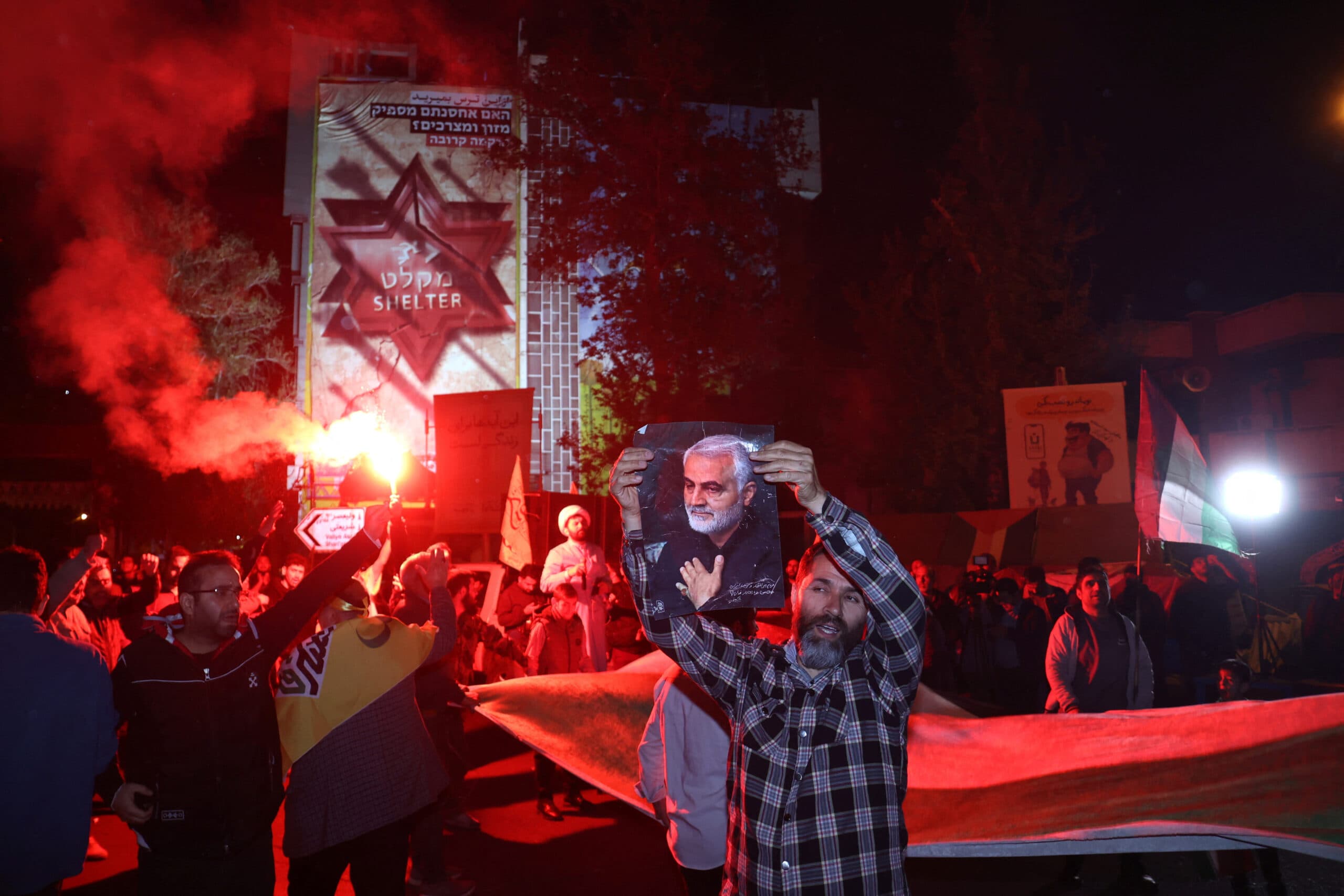
Iran-Israel Escalation Cycle
ConflictOngoingSince 2024
A live assessment of how this issue works in practice—institutions, tradeoffs, and what would improve outcomes. Evidence accumulates in our Summa.
Key entities
People, governments, and organizations that shape Iran-Israel Escalation Cycle in our coverage—drawn from tagged articles and editorial catalog.
Background
Direct and proxy confrontation risk between Iran and Israel across multiple theaters
Why this remains an issue
- Cycle of retaliation has moved from covert patterns toward more direct exchanges
- Regional proxy networks increase the number of potential escalation pathways
- Missile and drone capabilities raise homeland vulnerability on both sides
- External powers seek deterrence while trying to avoid regional war spillover
Core fault lines
- Deterrence signaling vs uncontrolled escalation
- Proxy warfare vs direct confrontation thresholds
- Alliance commitments vs regional war avoidance
- Short-term retaliation logic vs long-term regional stability
At a glance
Origin
Roots trace to about 2024. Direct and proxy confrontation risk between Iran and Israel across multiple theaters
Why now
Cycle of retaliation has moved from covert patterns toward more direct exchanges Regional proxy networks increase the number of potential escalation pathways
What to watch next
Which guardrails can credibly prevent a direct multi-front regional war? How should external actors calibrate support without amplifying escalation?
Timeline
Significant events
How the situation evolved — an interpretive civic sequence, not a full chronology.
Iranian revolution redefines regional alignment
The Islamic Republic adopts anti-Israel ideology and begins building proxy relationships that shape Levant and Gulf security for decades.
Why it mattersCreates the ideological and institutional basis for long-run confrontation.
Source: Historical baseline
Hezbollah-Israel war demonstrates proxy deterrence
A major Israel-Hezbollah conflict shows how Iran-aligned proxy forces can impose costs without direct Iran-Israel state war.
Why it mattersEstablishes proxy warfare as a default escalation channel.
Source: Historical baseline
JCPOA nuclear diplomacy
A multilateral nuclear deal temporarily constrains Iran’s enrichment program while Israel and Gulf states remain skeptical of its durability.
Why it mattersShows nuclear diplomacy and regional-security politics can diverge sharply.
Source: JCPOA record
U.S. exits JCPOA under Trump
The Trump administration withdraws from the nuclear deal and restores pressure on Iran.
Why it mattersReopens the nuclear file and intensifies sanctions, covert action, and regional escalation incentives.
Source: U.S. policy record
Covert targeting cycle intensifies
Assassinations, sabotage, and cyber incidents against nuclear and military targets increase amid collapsing JCPOA compliance.
Why it mattersShortens the distance between covert and overt confrontation.
Source: International reporting
Direct Iran-Israel exchange after Gaza war
Iran and Israel conduct unprecedented direct strikes and counter-strikes, moving beyond primarily proxy patterns.
Why it mattersMarks a new escalation ladder with homeland vulnerability on both sides.
Source: Documented strike cycles
Snapshot
Current signals
- Cycle of retaliation has moved from covert patterns toward more direct exchanges
- Regional proxy networks increase the number of potential escalation pathways
- Missile and drone capabilities raise homeland vulnerability on both sides
- External powers seek deterrence while trying to avoid regional war spillover
Analysis
Decision tradeoffs
- Deterrence signaling vs uncontrolled escalation
- Proxy warfare vs direct confrontation thresholds
- Alliance commitments vs regional war avoidance
- Short-term retaliation logic vs long-term regional stability
Working view
- Escalation ladders are now shorter and more fragile than in earlier periods
- Crisis communication and third-party mediation are necessary despite low trust
- Proxy containment is inseparable from wider regional settlement efforts
- Domestic political pressures in both states can override strategic restraint
Deep intelligence
What could change our mind
- Which guardrails can credibly prevent a direct multi-front regional war?
- How should external actors calibrate support without amplifying escalation?
- What diplomatic channel can function during active retaliation cycles?
- How does this confrontation reshape Gulf and Levant security alignments?
Related articles
Recent reporting tagged to this topic—read snapshots first, then open full analyses.