
NATO · World Affairs & Geopolitics
Deterrence, Article 5 & Eastern Flank Defence
Topic
A live assessment of how this issue works in practice—institutions, tradeoffs, and what would improve outcomes. Evidence accumulates in our Summa.
Background
Whether NATO’s forward posture and reinforcement plans credibly deter coercion on the eastern flank.
Why this remains an issue
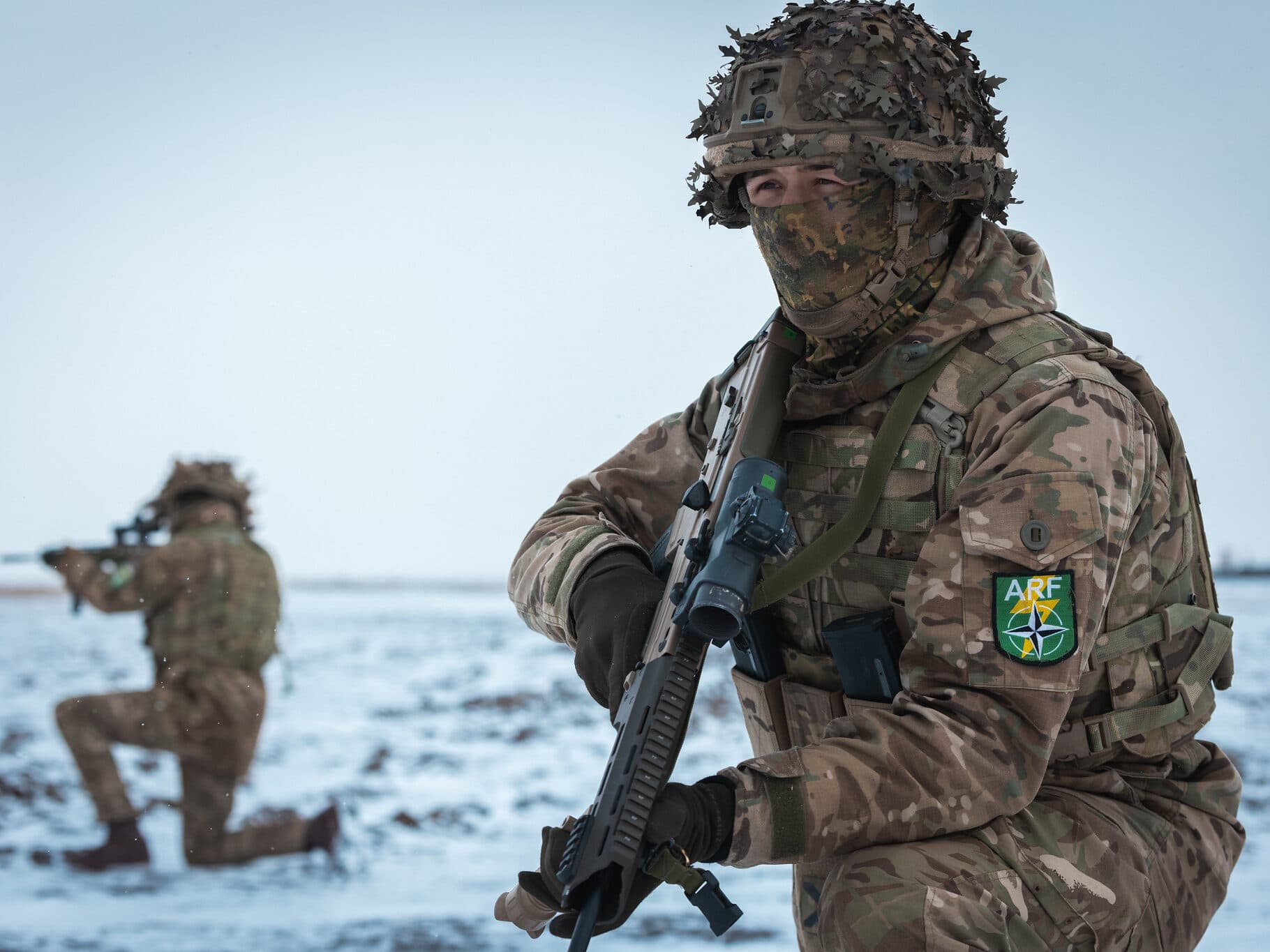
- Enhanced Forward Presence and regional defence plans aim to deter attack on Baltic and eastern members
- Article 5 credibility depends on speed of reinforcement, political will, and nuclear backstop
- Russia’s war on Ukraine reshaped threat assessments and force posture debates
- Civil defence, resilience, and hybrid threats are now part of deterrence conversations
Core fault lines
- Deterrence by punishment vs denial: retaliation threats vs stopping invasion early
- Forward presence vs escalation control: troops near border vs provocation narratives
- Nuclear signalling vs conventional defence: escalation ladders vs warfighting needs
- Burden-sharing vs command unity: national caveats vs integrated planning
At a glance
Origin
Whether NATO’s forward posture and reinforcement plans credibly deter coercion on the eastern flank.
Why now
Enhanced Forward Presence and regional defence plans aim to deter attack on Baltic and eastern members Article 5 credibility depends on speed of reinforcement, political will, and nuclear backstop
What to watch next
Can reinforcement plans work under missile, cyber, and hybrid disruption? What level of permanent presence is politically sustainable in frontline states?
Snapshot
Current signals
- Enhanced Forward Presence and regional defence plans aim to deter attack on Baltic and eastern members
- Article 5 credibility depends on speed of reinforcement, political will, and nuclear backstop
- Russia’s war on Ukraine reshaped threat assessments and force posture debates
- Civil defence, resilience, and hybrid threats are now part of deterrence conversations
Analysis
Decision tradeoffs
- Deterrence by punishment vs denial: retaliation threats vs stopping invasion early
- Forward presence vs escalation control: troops near border vs provocation narratives
- Nuclear signalling vs conventional defence: escalation ladders vs warfighting needs
- Burden-sharing vs command unity: national caveats vs integrated planning
Working view
- Deterrence must be tested against scenarios, timelines, and political fracture—not slogans
- Hybrid model combines forward presence, rapid reinforcement, and resilient societies
- Article 5 credibility requires exercised plans, not only treaty text
- Eastern flank defence is inseparable from Ukraine’s outcome and Baltic sea control
Deep intelligence
What could change our mind
- Can reinforcement plans work under missile, cyber, and hybrid disruption?
- What level of permanent presence is politically sustainable in frontline states?
- How does nuclear signalling affect conventional defence choices?
- Would a frozen Ukraine conflict weaken eastern deterrence?
Related articles
Recent reporting tagged to this topic—read snapshots first, then open full analyses.