
NATO · World Affairs & Geopolitics
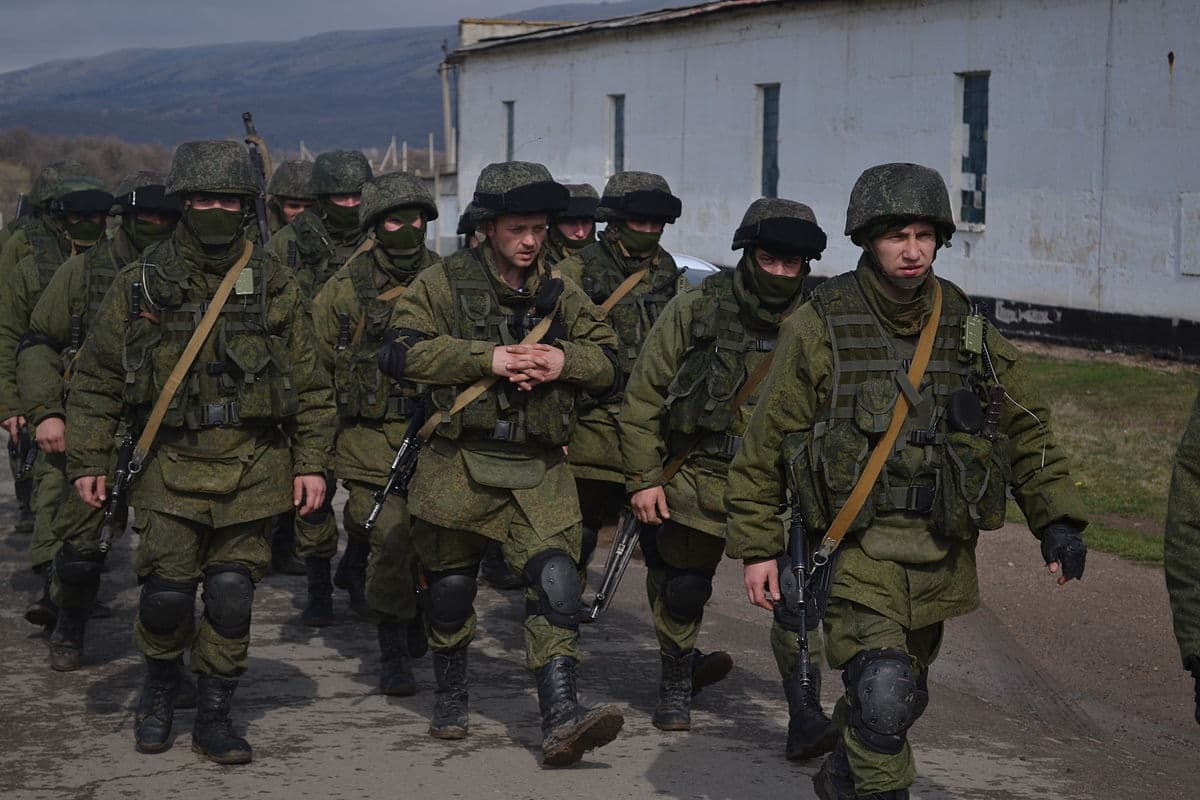
Russia, Hybrid Warfare & Grey-Zone Threats
Topic
A live assessment of how this issue works in practice—institutions, tradeoffs, and what would improve outcomes. Evidence accumulates in our Summa.
Background
Sabotage, cyber, information operations, and energy coercion below the Article 5 threshold.
Why this remains an issue
- Allies report sabotage, GPS jamming, cyber probes, and influence operations linked to Russia
- Grey-zone attacks test legal thresholds for collective response
- Energy, cables, and ports remain vulnerable in Baltic and North Sea regions
- Sanctions and export controls interact with covert action and proxy networks
Core fault lines
- Response vs escalation: retaliate vs avoid open war
- Attribution vs secrecy: public blame vs intelligence constraints
- Civilian vs military domains: infrastructure defence vs NATO mandate limits
- Resilience vs freedom: security measures vs open societies
At a glance
Origin
Sabotage, cyber, information operations, and energy coercion below the Article 5 threshold.
Why now
Allies report sabotage, GPS jamming, cyber probes, and influence operations linked to Russia Grey-zone attacks test legal thresholds for collective response
What to watch next
What grey-zone attack would trigger allied collective response? How should critical infrastructure be protected without militarising daily life?
Snapshot
Current signals
- Allies report sabotage, GPS jamming, cyber probes, and influence operations linked to Russia
- Grey-zone attacks test legal thresholds for collective response
- Energy, cables, and ports remain vulnerable in Baltic and North Sea regions
- Sanctions and export controls interact with covert action and proxy networks
Analysis
Decision tradeoffs
- Response vs escalation: retaliate vs avoid open war
- Attribution vs secrecy: public blame vs intelligence constraints
- Civilian vs military domains: infrastructure defence vs NATO mandate limits
- Resilience vs freedom: security measures vs open societies
Working view
- Hybrid defence needs societal resilience, not only military units
- Hybrid response: faster attribution coalitions, critical-infrastructure hardening, and coordinated sanctions
- Article 5 ambiguity should be reduced for defined sabotage thresholds where possible
- Information defence must avoid becoming censorship politics
Deep intelligence
What could change our mind
- What grey-zone attack would trigger allied collective response?
- How should critical infrastructure be protected without militarising daily life?
- Can sanctions deter sabotage that sanctions already failed to prevent?
- How do hybrid threats interact with election cycles in member states?
Related articles
Recent reporting tagged to this topic—read snapshots first, then open full analyses.