
World Affairs & Geopolitics · Conflict & Security
Taiwan Strait Tensions
ConflictOngoingSince 1949
A live assessment of how this issue works in practice—institutions, tradeoffs, and what would improve outcomes. Evidence accumulates in our Summa.
Key entities
People, governments, and organizations that shape Taiwan Strait Tensions in our coverage—drawn from tagged articles and editorial catalog.
Background
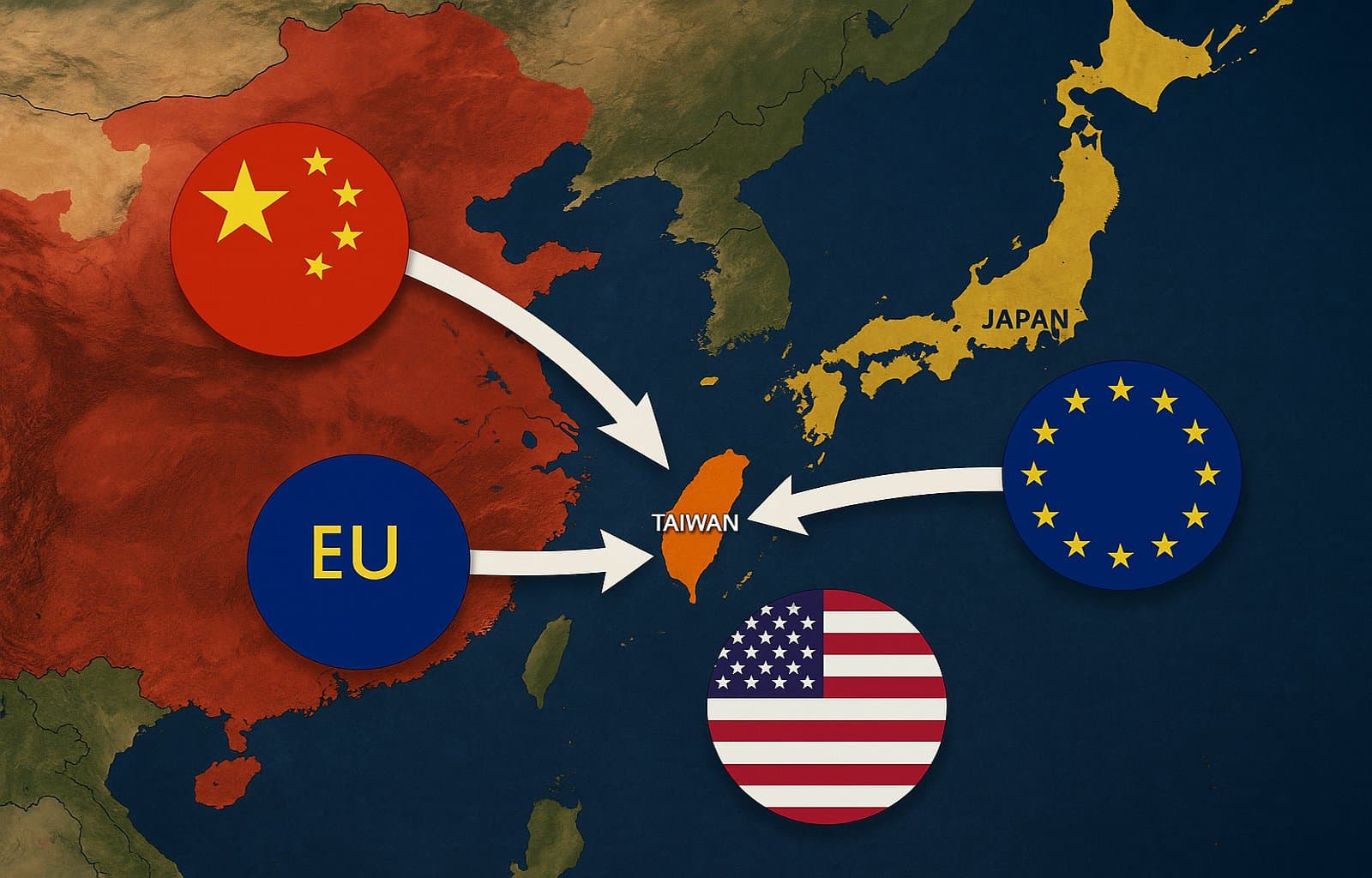
Ongoing tensions over Taiwan's status and cross-strait relations
Why this remains an issue
- Tensions reflect broader US-China strategic competition
- Status quo has maintained stability but faces increasing pressure
- Both sides have red lines that conflict with each other
- Military balance and diplomatic ambiguity have coexisted but are under strain
Core fault lines
- Status quo vs change: stability vs resolution
- US support vs China sovereignty: alliances vs territorial claims
- Taiwan autonomy vs unification: self-determination vs one country
- Military deterrence vs diplomatic engagement: strength vs dialogue
At a glance
Origin
Roots trace to about 1949. Ongoing tensions over Taiwan's status and cross-strait relations
Why now
Tensions reflect broader US-China strategic competition Status quo has maintained stability but faces increasing pressure
What to watch next
How do we maintain stability while addressing underlying tensions? What arrangements can accommodate both Chinese and Taiwanese concerns?
Timeline
Significant events
How the situation evolved — an interpretive civic sequence, not a full chronology.
ROC government relocates to Taiwan
After civil war defeat on the mainland, the Republic of China government establishes itself on Taiwan while the People’s Republic of China claims sovereignty over the island.
Why it mattersCreates the unresolved sovereignty structure that still defines cross-strait politics.
Source: Historical baseline
U.S. Taiwan Relations Act
The United States shifts diplomatic recognition to Beijing while legislating continued unofficial relations and security concern for Taiwan.
Why it mattersInstitutionalizes strategic ambiguity as a stability mechanism.
Source: U.S. legislative record
Third Taiwan Strait crisis
Chinese missile tests and U.S. carrier deployments raise fears of direct confrontation around Taiwan’s first direct presidential election.
Why it mattersDemonstrates how elections, symbolism, and military signaling can compress escalation timelines.
Source: Historical baseline
Tsai era and cross-strait cooling
Democratic Progressive Party leadership and Beijing’s pressure campaign reduce official channels and increase grey-zone activity.
Why it mattersPolitical identity competition becomes a central driver of instability.
Source: Cross-strait policy record
Pelosi visit and major PLA exercises
A high-profile U.S. congressional visit triggers large-scale Chinese military exercises around Taiwan.
Why it mattersShows how third-party political acts can generate major military signaling.
Source: International reporting
Lai Ching-te inauguration and pressure campaign
Taiwan’s leadership transition is followed by continued Chinese military, economic, and diplomatic pressure around the strait.
Why it mattersStatus quo stability increasingly depends on deterrence and crisis management, not trust.
Source: Contemporary reporting
Snapshot
Current signals
- Tensions reflect broader US-China strategic competition
- Status quo has maintained stability but faces increasing pressure
- Both sides have red lines that conflict with each other
- Military balance and diplomatic ambiguity have coexisted but are under strain
Analysis
Decision tradeoffs
- Status quo vs change: stability vs resolution
- US support vs China sovereignty: alliances vs territorial claims
- Taiwan autonomy vs unification: self-determination vs one country
- Military deterrence vs diplomatic engagement: strength vs dialogue
Working view
- Status quo has maintained stability but faces increasing pressure
- Both sides have legitimate concerns that must be addressed
- Military deterrence and diplomatic engagement are both necessary
- Resolution requires addressing both security and political dimensions
Deep intelligence
What could change our mind
- How do we maintain stability while addressing underlying tensions?
- What arrangements can accommodate both Chinese and Taiwanese concerns?
- How do we balance deterrence with engagement?
- What role should external actors play in cross-strait relations?
Related articles
Recent reporting tagged to this topic—read snapshots first, then open full analyses.