
Society & Governance
Crime, Policing & Public Order
TopicUK
A live assessment of how this issue works in practice—institutions, tradeoffs, and what would improve outcomes. Evidence accumulates in our Summa.
Background
Why this remains an issue
- Knife crime and county lines remain focal in urban policy debates
- Police numbers, stop-and-search, and trust vary sharply by community
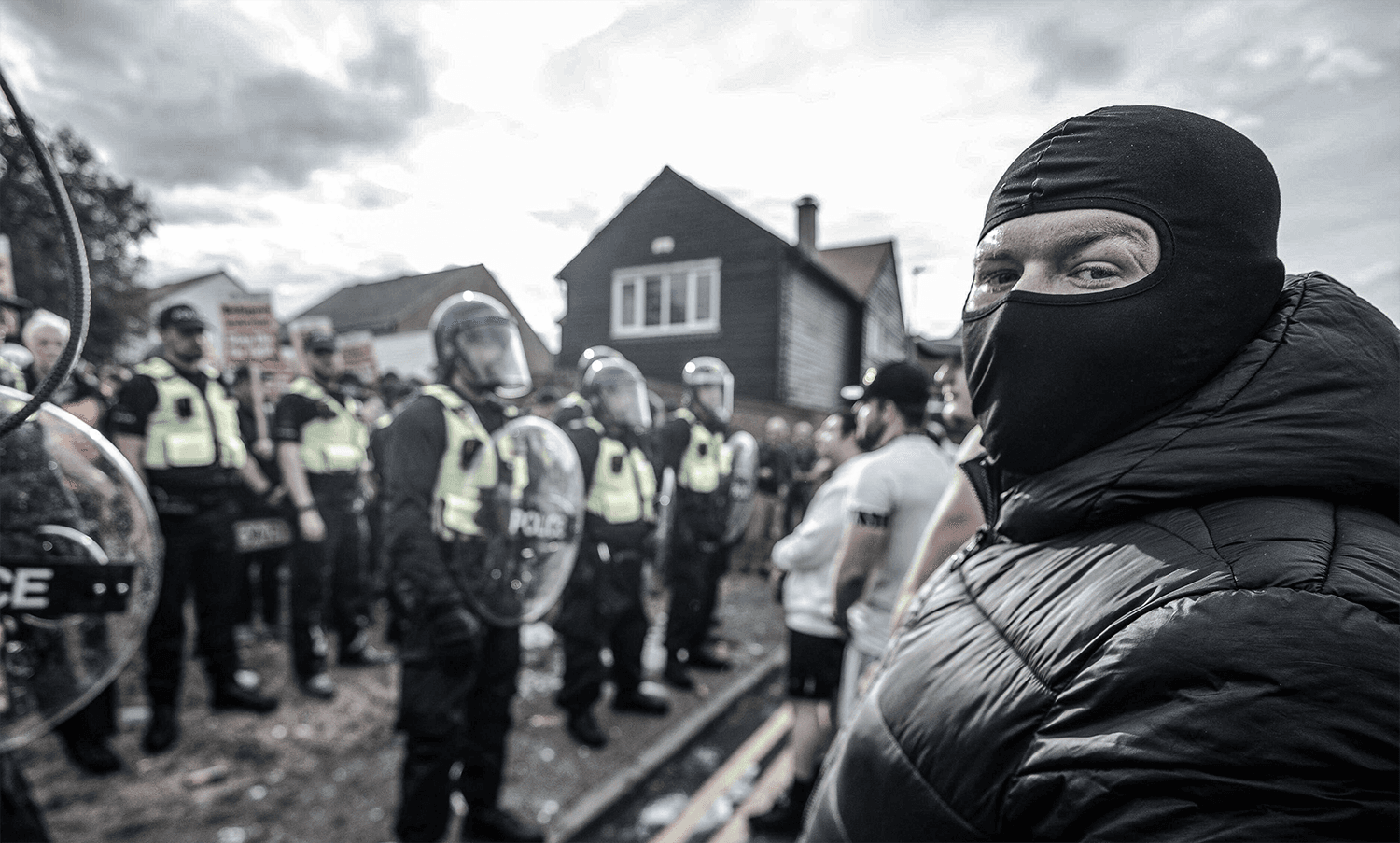
- Protest legislation and public order powers draw civil liberties scrutiny
- Court backlogs and prison capacity strain the criminal justice pipeline
Core fault lines
- Enforcement vs prevention: policing vs youth services and schools
- Rights vs order: protest freedom vs disruption and property damage
- Central targets vs local policing: national standards vs neighborhood priorities
- Punishment vs rehabilitation: sentences vs reoffending reduction
At a glance
Origin
Public order requires legitimate policing and functioning courts, not only tougher sentences
Why now
Knife crime and county lines remain focal in urban policy debates Police numbers, stop-and-search, and trust vary sharply by community
What to watch next
What policing models reduce knife crime without discriminatory stops? How can court backlogs be cleared without lowering standards?
Snapshot
Current signals
- Knife crime and county lines remain focal in urban policy debates
- Police numbers, stop-and-search, and trust vary sharply by community
- Protest legislation and public order powers draw civil liberties scrutiny
- Court backlogs and prison capacity strain the criminal justice pipeline
Analysis
Decision tradeoffs
- Enforcement vs prevention: policing vs youth services and schools
- Rights vs order: protest freedom vs disruption and property damage
- Central targets vs local policing: national standards vs neighborhood priorities
- Punishment vs rehabilitation: sentences vs reoffending reduction
Working view
- Public order requires legitimate policing and functioning courts, not only tougher sentences
- Hybrid approaches combine targeted enforcement with prevention and rehabilitation
- Trust-building through oversight and community policing is strategic, not soft
- Protest policy must distinguish violent disorder from lawful dissent
Deep intelligence
What could change our mind
- What policing models reduce knife crime without discriminatory stops?
- How can court backlogs be cleared without lowering standards?
- What protest rules protect both order and democratic expression?
- How should prisons balance punishment with skills and mental health?
Related articles
Recent reporting tagged to this topic—read snapshots first, then open full analyses.