
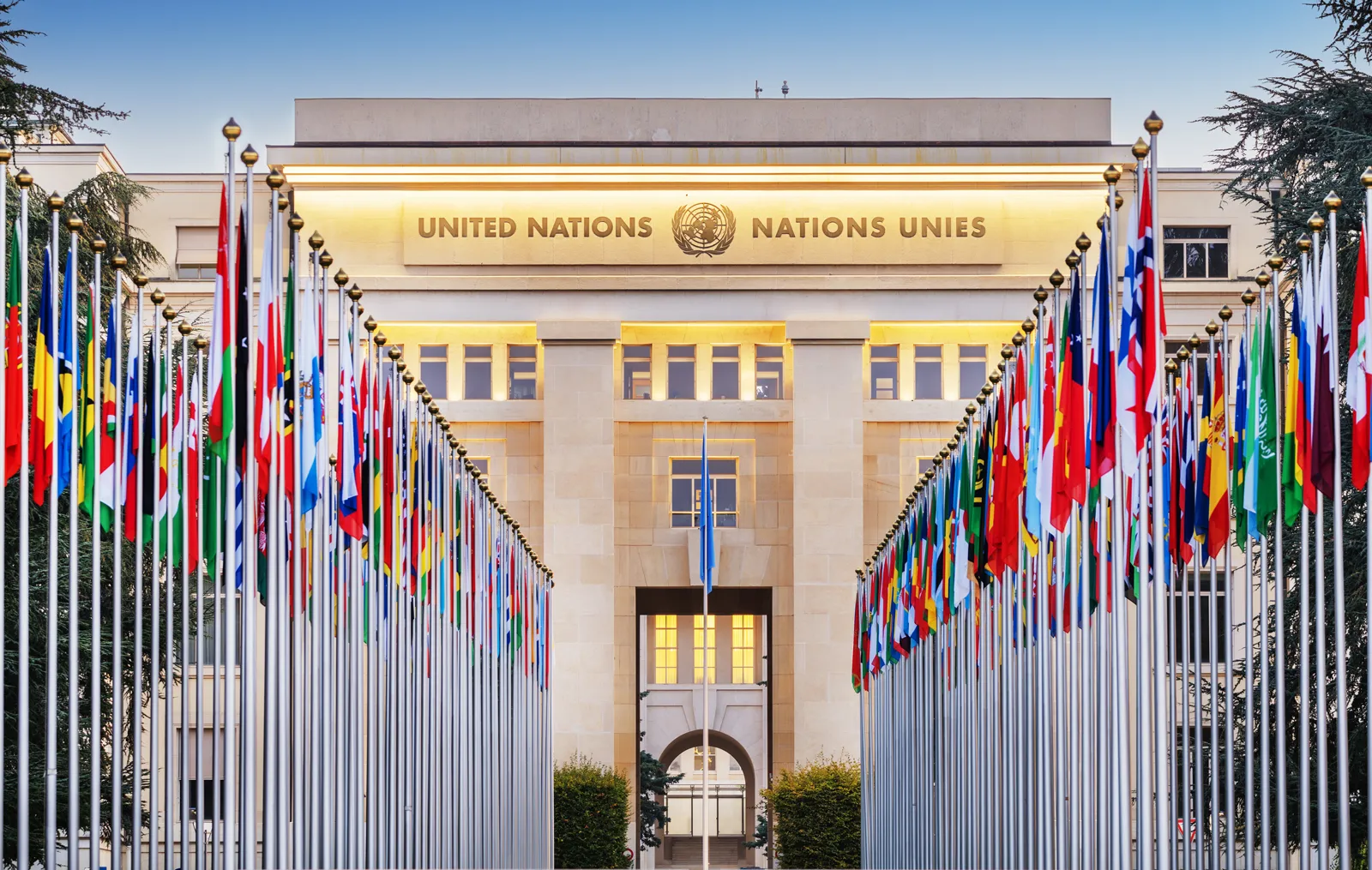
United Nations · Society & Governance
Human Rights System & Selective Enforcement
Topic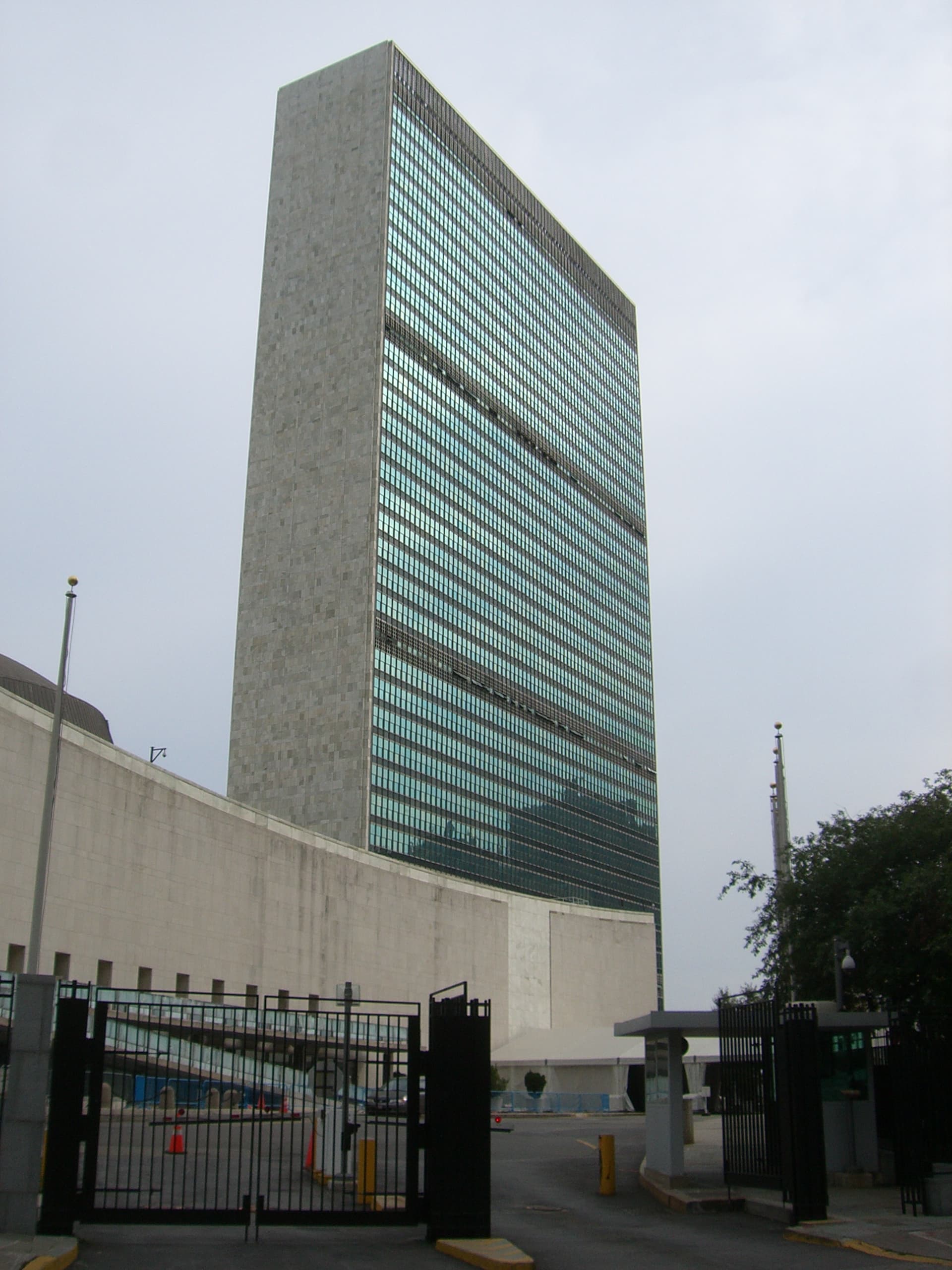
A live assessment of how this issue works in practice—institutions, tradeoffs, and what would improve outcomes. Evidence accumulates in our Summa.
Background
Treaty bodies, special rapporteurs, and the politics of naming abuses.
Why this remains an issue
- UN human-rights machinery produces reports, reviews, and pressure—but enforcement is soft
- States withdraw from treaties or defund bodies when scrutiny intensifies
- Commission inquiries on Gaza, Ukraine, and others face political attack
- Civil society depends on UN forums when domestic courts fail
Core fault lines
- Universal standards vs sovereignty: naming abuses vs non-interference
- Selective focus: which countries face sustained scrutiny
- Rights vs security: counterterror and migration vs civil liberties
- Treaty strength vs withdrawal: binding law vs optional participation
At a glance
Origin
Treaty bodies, special rapporteurs, and the politics of naming abuses.
Why now
UN human-rights machinery produces reports, reviews, and pressure—but enforcement is soft States withdraw from treaties or defund bodies when scrutiny intensifies
What to watch next
Can UN inquiries change behavior in active wars? How should the system respond to major-power non-cooperation?
Snapshot
Current signals
- UN human-rights machinery produces reports, reviews, and pressure—but enforcement is soft
- States withdraw from treaties or defund bodies when scrutiny intensifies
- Commission inquiries on Gaza, Ukraine, and others face political attack
- Civil society depends on UN forums when domestic courts fail
Analysis
Decision tradeoffs
- Universal standards vs sovereignty: naming abuses vs non-interference
- Selective focus: which countries face sustained scrutiny
- Rights vs security: counterterror and migration vs civil liberties
- Treaty strength vs withdrawal: binding law vs optional participation
Working view
- The UN rights system is essential documentation even when enforcement lags
- Credibility requires applying standards to allies and adversaries alike
- Hybrid strategy: strengthen treaty bodies while backing regional courts
- Selective enforcement erodes the system more than hostile states do
Deep intelligence
What could change our mind
- Can UN inquiries change behavior in active wars?
- How should the system respond to major-power non-cooperation?
- What reforms would make treaty reviews bite harder?
- How do digital rights fit existing UN mechanisms?
Related articles
Recent reporting tagged to this topic—read snapshots first, then open full analyses.