
United Nations · World Affairs & Geopolitics
International Law, Sovereignty & Intervention
Topic
A live assessment of how this issue works in practice—institutions, tradeoffs, and what would improve outcomes. Evidence accumulates in our Summa.
Background
Charter law, R2P debates, and when force is considered legitimate.
Why this remains an issue
- UN Charter principles on sovereignty coexist with human-rights and security exceptions
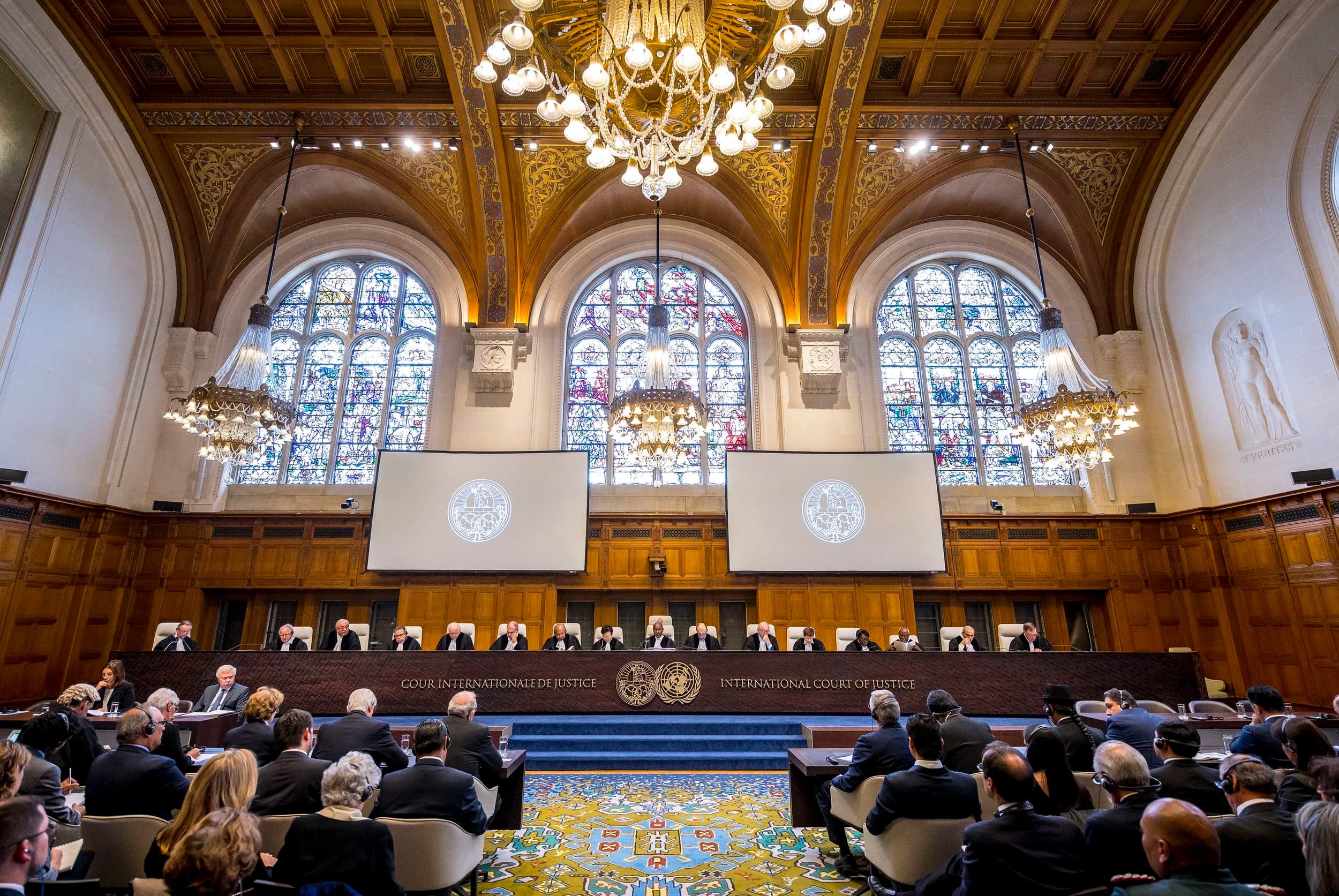
- International Court of Justice and other bodies shape but do not always stop wars
- Sanctions, tribunals, and investigations create legal narratives with uneven enforcement
- Great powers invoke law selectively when convenient to interests
Core fault lines
- Sovereignty vs protection: non-intervention vs atrocity prevention
- Law vs power: legal norms vs military facts on the ground
- Universal vs selective: consistent application vs geopolitical targeting
- Courts vs politics: judicial process vs Security Council blocks
At a glance
Origin
Charter law, R2P debates, and when force is considered legitimate.
Why now
UN Charter principles on sovereignty coexist with human-rights and security exceptions International Court of Justice and other bodies shape but do not always stop wars
What to watch next
When is intervention widely seen as legitimate across the Global South? Can ICJ and ICC decisions change state behavior materially?
Snapshot
Current signals
- UN Charter principles on sovereignty coexist with human-rights and security exceptions
- International Court of Justice and other bodies shape but do not always stop wars
- Sanctions, tribunals, and investigations create legal narratives with uneven enforcement
- Great powers invoke law selectively when convenient to interests
Analysis
Decision tradeoffs
- Sovereignty vs protection: non-intervention vs atrocity prevention
- Law vs power: legal norms vs military facts on the ground
- Universal vs selective: consistent application vs geopolitical targeting
- Courts vs politics: judicial process vs Security Council blocks
Working view
- International law constrains some behavior but rarely ends wars alone
- Legitimacy requires predictable standards, not only moral rhetoric
- Hybrid enforcement combines law, sanctions, diplomacy, and regional pressure
- Documenting violations matters even when immediate enforcement fails
Deep intelligence
What could change our mind
- When is intervention widely seen as legitimate across the Global South?
- Can ICJ and ICC decisions change state behavior materially?
- How should the UN respond when permanent members violate Charter principles?
- What legal frameworks govern cyber and hybrid warfare?
Related articles
Recent reporting tagged to this topic—read snapshots first, then open full analyses.