
United Nations · World Affairs & Geopolitics
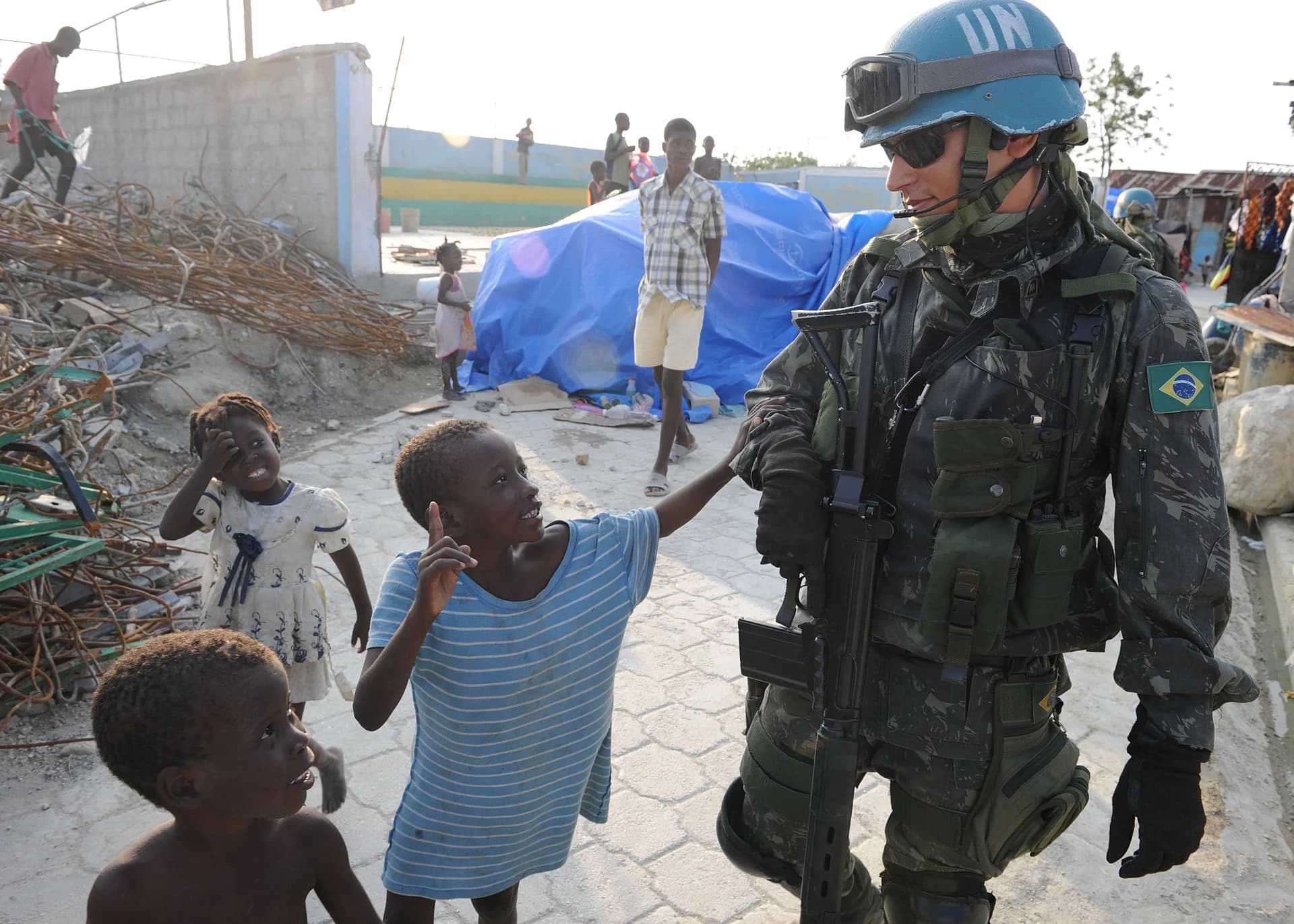
Peacekeeping, Humanitarian Access & Civilian Protection
Topic
A live assessment of how this issue works in practice—institutions, tradeoffs, and what would improve outcomes. Evidence accumulates in our Summa.
Background
Blue helmets, aid corridors, and protection mandates under fire.
Why this remains an issue
- Peacekeeping missions operate with uneven mandates, resources, and host-state consent
- Humanitarian access is often blocked by conflict parties, sovereignty claims, and counterterror rules
- Civilian harm reporting has improved but accountability gaps remain
- Funding shortfalls and troop contributor politics shape mission credibility
Core fault lines
- Mandate vs means: ambitious protection goals vs limited troop quality
- Sovereignty vs access: state consent vs humanitarian imperative
- Impartiality vs politics: donor interests vs mission neutrality
- Stay vs exit: long missions vs exit timelines and host dependence
At a glance
Origin
Blue helmets, aid corridors, and protection mandates under fire.
Why now
Peacekeeping missions operate with uneven mandates, resources, and host-state consent Humanitarian access is often blocked by conflict parties, sovereignty claims, and counterterror rules
What to watch next
Which missions should expand, shrink, or end? How can aid reach populations when states deny access?
Snapshot
Current signals
- Peacekeeping missions operate with uneven mandates, resources, and host-state consent
- Humanitarian access is often blocked by conflict parties, sovereignty claims, and counterterror rules
- Civilian harm reporting has improved but accountability gaps remain
- Funding shortfalls and troop contributor politics shape mission credibility
Analysis
Decision tradeoffs
- Mandate vs means: ambitious protection goals vs limited troop quality
- Sovereignty vs access: state consent vs humanitarian imperative
- Impartiality vs politics: donor interests vs mission neutrality
- Stay vs exit: long missions vs exit timelines and host dependence
Working view
- Peacekeeping works best with clear mandates, adequate resources, and political backing
- Humanitarian access should be treated as a security issue, not only logistics
- Hybrid model: UN coordinates protection data; states fund access enforcement
- Mission success requires honest assessment of when peacekeeping is the wrong tool
Deep intelligence
What could change our mind
- Which missions should expand, shrink, or end?
- How can aid reach populations when states deny access?
- What accountability exists for harm caused by peacekeepers?
- Can protection mandates be enforced without great-power alignment?
Related articles
Recent reporting tagged to this topic—read snapshots first, then open full analyses.