
Future & Long-Term Challenges
Federal Debt, Deficits & Fiscal Sustainability
TopicUS
A live assessment of how this issue works in practice—institutions, tradeoffs, and what would improve outcomes. Evidence accumulates in our Summa.
Background
Why this remains an issue
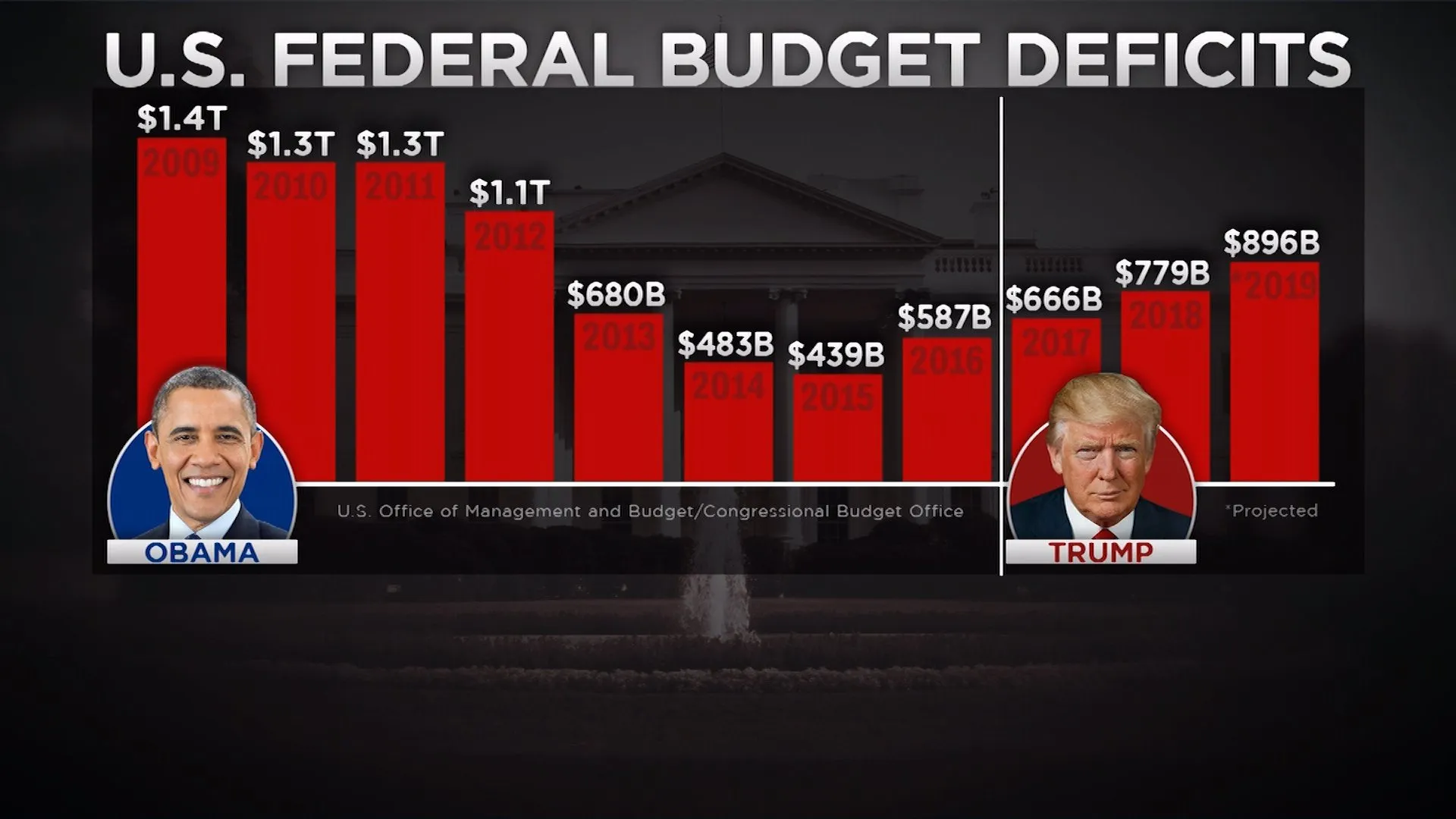
- Federal debt and deficits rose sharply after crises, wars, and pandemic response
- Entitlement growth, defense, and interest costs dominate long-run fiscal projections
- Partisan cycles alternate tax cuts and spending increases without durable consolidation
- Bond markets and credit ratings remain tolerant but sensitivity to shocks is debated
Core fault lines
- Austerity vs stimulus: fiscal restraint vs growth and security needs
- Taxes vs spending: revenue raises vs benefit and defense cuts
- Generational equity: current consumption vs future burdens
- Rules vs discretion: debt limits and commissions vs political bargaining
At a glance
Origin
Fiscal sustainability is a legitimacy problem, not only a spreadsheet exercise
Why now
Federal debt and deficits rose sharply after crises, wars, and pandemic response Entitlement growth, defense, and interest costs dominate long-run fiscal projections
What to watch next
What bipartisan package could stabilize debt-to-GDP without recession? How should Social Security and Medicare solvency be addressed before crisis?
Snapshot
Current signals
- Federal debt and deficits rose sharply after crises, wars, and pandemic response
- Entitlement growth, defense, and interest costs dominate long-run fiscal projections
- Partisan cycles alternate tax cuts and spending increases without durable consolidation
- Bond markets and credit ratings remain tolerant but sensitivity to shocks is debated
Analysis
Decision tradeoffs
- Austerity vs stimulus: fiscal restraint vs growth and security needs
- Taxes vs spending: revenue raises vs benefit and defense cuts
- Generational equity: current consumption vs future burdens
- Rules vs discretion: debt limits and commissions vs political bargaining
Working view
- Fiscal sustainability is a legitimacy problem, not only a spreadsheet exercise
- Hybrid paths combine gradual entitlement reform, targeted revenue, and growth-oriented investment
- Credible medium-term frameworks matter more than annual theatrics around the debt ceiling
- Defense, aging, and climate adaptation must be budgeted explicitly, not deferred
Deep intelligence
What could change our mind
- What bipartisan package could stabilize debt-to-GDP without recession?
- How should Social Security and Medicare solvency be addressed before crisis?
- What role should automatic stabilizers play versus discretionary fiscal policy?
- When does interest burden constrain strategic choices on industrial and foreign policy?
Related articles
Recent reporting tagged to this topic—read snapshots first, then open full analyses.