
Society & Governance
Industrial Policy, Chips & China Competition
TopicUS
A live assessment of how this issue works in practice—institutions, tradeoffs, and what would improve outcomes. Evidence accumulates in our Summa.
Background
Why this remains an issue
- CHIPS Act and IRA mark a turn toward active industrial and supply-chain policy
- Semiconductor fabrication, critical minerals, and advanced manufacturing are national priorities
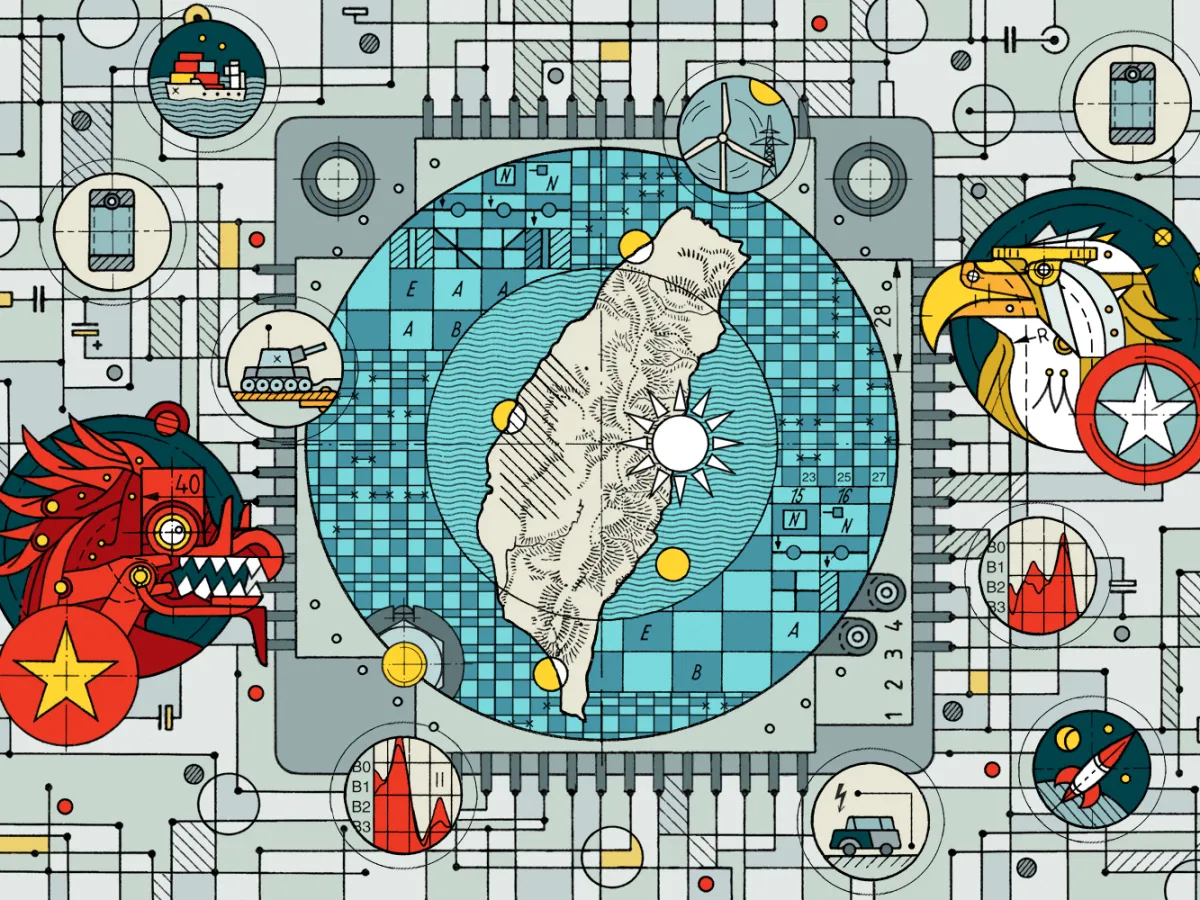
- Export controls and investment screening reshape US-China technology ties
- Subsidies, tariffs, and friend-shoring create winners, losers, and implementation fights
Core fault lines
- Open markets vs security: efficiency vs resilience
- Federal vs firms: industrial strategy vs corporate strategy
- Allies vs autonomy: coordination vs America-first supply chains
- Innovation vs protection: R&D openness vs technology containment
At a glance
Origin
Selective industrial policy is justified for chokepoint technologies and defense-relevant capacity
Why now
CHIPS Act and IRA mark a turn toward active industrial and supply-chain policy Semiconductor fabrication, critical minerals, and advanced manufacturing are national priorities
What to watch next
Which sectors merit sustained subsidy versus one-time fill-ins? How should export controls balance security with allied alignment and innovation?
Snapshot
Current signals
- CHIPS Act and IRA mark a turn toward active industrial and supply-chain policy
- Semiconductor fabrication, critical minerals, and advanced manufacturing are national priorities
- Export controls and investment screening reshape US-China technology ties
- Subsidies, tariffs, and friend-shoring create winners, losers, and implementation fights
Analysis
Decision tradeoffs
- Open markets vs security: efficiency vs resilience
- Federal vs firms: industrial strategy vs corporate strategy
- Allies vs autonomy: coordination vs America-first supply chains
- Innovation vs protection: R&D openness vs technology containment
Working view
- Selective industrial policy is justified for chokepoint technologies and defense-relevant capacity
- Hybrid models combine public investment, competition policy, and allied coordination
- Implementation quality and workforce pathways determine whether subsidies build durable advantage
- China competition requires economic statecraft paired with domestic cohesion
Deep intelligence
What could change our mind
- Which sectors merit sustained subsidy versus one-time fill-ins?
- How should export controls balance security with allied alignment and innovation?
- Can reshoring coexist with affordable consumer and climate hardware costs?
- What metrics define success beyond announced fab groundbreakings?
Related articles
Recent reporting tagged to this topic—read snapshots first, then open full analyses.